Clip Season: How NA Esports Turned the 90-Second Reel Into a Real Tryout Market
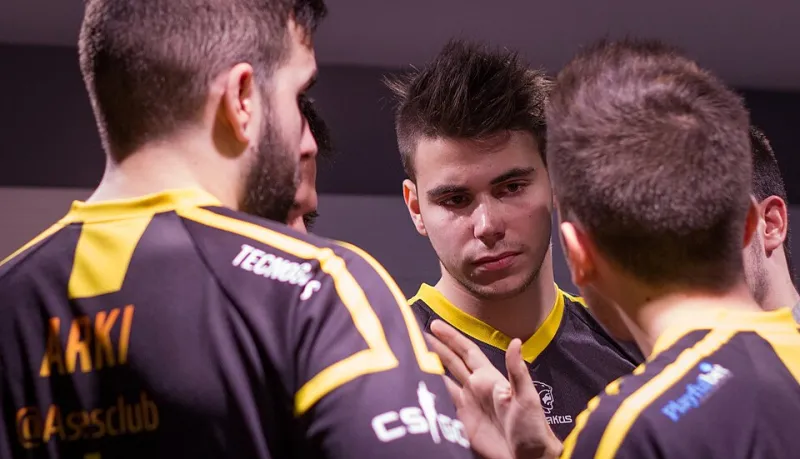
Photo: artubr, edited by: mAyo, CC BY 2.0, via Wikimedia Commons
The first impression in NA esports no longer starts with a scrim block. It starts with a link.
A prospect sends a 90-second clip reel. An academy coach opens it on a second monitor while reviewing scrim notes. A free agent drops one in an org’s DMs with a rank, a role, and three timestamps. No combine, no LAN, no trial by fire — just a short, sharp audition tape that has quietly become one of the most important pieces of the North American talent pipeline.
From the outside, it looks like hype. From the inside, it’s triage. Orgs have more names than time, more applicants than scrim slots, and more free agents than roster spots. The 90-second reel is how they decide who gets the longer look.
The First 15 Seconds Are the New Handshake
Scouts do not watch a reel like a fan. They scrub. They jump to the first fight, then the second, then the part where the player is not shooting anything at all. The opening 15 seconds tell them whether the tape was built to impress or built to inform.
A reel that starts with a 1v5 ace on an unranked account gets a shrug. A reel that starts with a clean retake, a disciplined save, and a utility line that sets up a teammate gets a timestamp. The difference is context. Anyone can clip a highlight. The question is whether the highlight happened inside a real round with real stakes and real communication.
Coaches say they are not looking for the flashiest play. They are looking for the play that proves the player understood the map, the economy, and the clock. In 90 seconds, that means three things need to show up fast: mechanics under pressure, decision speed, and game sense that does not disappear when the crosshair moves away from an enemy.
What Scouts Actually Grade (Hint: It’s Not Just Aim)
The aim clip is table stakes. If a prospect cannot shoot, the reel ends there. But the tape only becomes interesting when it shows what happens around the shot.
Scouts watch camera control. They watch crosshair placement before the fight, not after. They watch whether the player uses utility to enable someone else or only to farm a clip. They watch pathing, off-ball movement, and the boring stuff — the early rotate, the passive hold, the retreat that keeps a man alive for the next round.
That is why the best reels feel less like a montage and more like a scouting report with a pulse. A 12-second clip of a player holding an off-angle, calling for a rotate, and then giving up the fight to save for the next round can say more than a 30-second ace compilation. It shows discipline. It shows the player knows the difference between a good highlight and a good decision.
Clip-Farming vs. Decision-Making: The Tell Is in the Tape
Clip-farming has a signature. The reel is all kills, no map state, no economy, no team context. Every clip starts mid-fight and ends before the consequences. The player is always the last one alive, always taking the hero duel, always chasing the play that looks good on a thumbnail.
Coaches have gotten better at spotting it. They look for the moments between fights. They look for the player who backs off when the round is lost. They look for the player who uses a cooldown to cover a teammate instead of padding a stat line. They look for the player who loses a duel but still made the right read.
That last part matters. A reel that only shows wins is a highlight reel. A reel that shows a lost round where the player made the correct play is a tryout tape. NA scouts are not looking for perfection. They are looking for a pattern of decisions they can trust in a scrim block.
The Full VOD Still Wins — After the Reel Opens the Door
The 90-second reel is not the whole tryout. It is the trailer. If the tape lands, the next request is usually the full VOD, a live tryout, or a scrim block with comms. Orgs want to see how the player fits into a system, how they take feedback, and whether the clips were the exception or the baseline.
But the reel is what gets them to that next step. That is why the format has stuck in North America. It is cheap, fast, and portable. An unsigned prospect in Ohio can send the same tape to an org in Texas and an academy in California. A veteran free agent can cut 90 seconds of recent play without asking for a full scrim block. An academy hopeful can show improvement over a month without waiting for a formal open tryout.
It has also created a small market around the tape itself. Editors, reel consultants, and even players who trade feedback on cuts have turned the 90-second audition into its own cottage industry. That is not automatically a bad thing. A clean edit helps a scout see the player faster. But overproduction can hide weakness. The best reels still look like gameplay, not a movie trailer.
A Market With No Combine
NA esports has never had a true combine — no single stage where every unsigned player gets the same look under the same conditions. The reel has become the closest thing to it. It is imperfect, uneven, and easy to game at the margins, but it is also more accessible than the old system of who-knows-who and who-gets-a-DM-back.
Ahead of the 2026 offseason, expect more orgs to ask for a reel as the first step, not the last. Expect more coaches to keep a folder of timestamps instead of a folder of names. And expect more players to realize that the tape is not a shortcut. It is a language. If you can tell a scout who you are in 90 seconds, you earn the longer conversation. If you cannot, you are just another clip in the feed.
What Prospects Should Actually Send
Lead with three clips: one mechanical, one decision-making, one team-enabled. Include your rank, role, region, availability, and contact info in the first line of the message. Use raw gameplay, not a heavily filtered montage. Timestamp the moments that matter. Do not send 90 seconds of aces and call it a day.
Scouts are not asking for a highlight reel because they want to be entertained. They are asking because they need a reason to spend the next hour on you. The 90-second tape is the new resume. Make it say something.