The Diploma Draft: How Campus Varsity Esports Became NA's Real Farm System
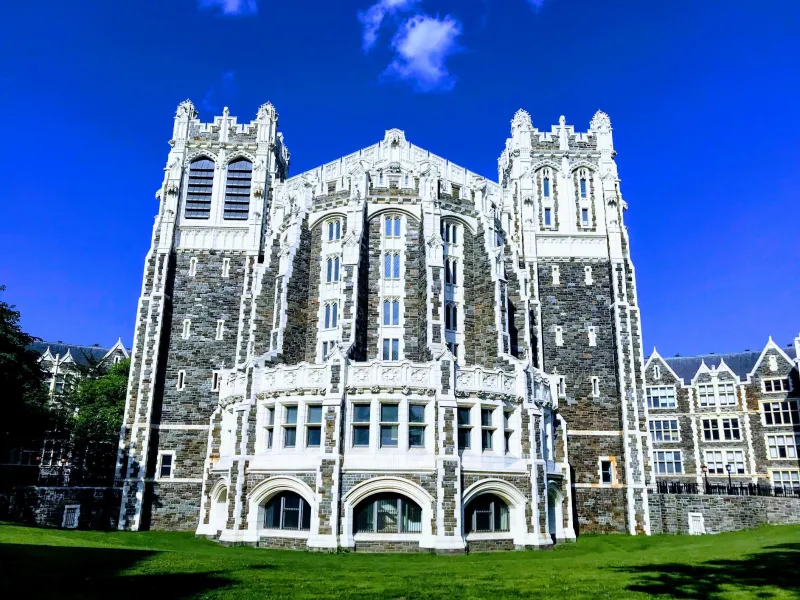
Photo: college esports LAN tournament students gaming arena, via i.redd.it
Signing day in NA esports rarely starts in a glass office with a logo backdrop. More often, it starts in a campus rec center at 9 p.m., where a varsity coach is running the fifth block of scrims and a pro scout is pretending not to take notes. Welcome to the college pipeline — the closest thing North America has to a real minor league, even if nobody agreed to call it that.
The Farm System Nobody Branded
Call it varsity esports, club with a budget, or a scholarship-backed scrim block. The label matters less than the output. Programs at schools like Maryville, UC Irvine, Boise State, and Northwood have spent years building staffs that look suspiciously professional: head coaches, analysts, mental performance consultants, and scheduling coordinators who treat match prep like a full-time job. That infrastructure is why pro orgs now send scouts to campus LANs the same way they once trolled open qualifiers for unsigned five-stacks.
The comparison to baseball's farm system is easy but imperfect. College esports has no draft, no affiliate contracts, and no universal rulebook. What it does have is repetition under pressure — a full academic year of scheduled matches, travel, and media obligations. For a 19-year-old who has never lived outside a ranked-queue bubble, that's a crash course in being a professional without the salary-cap consequences.
Scholarships Are the New Entry-Level Contract
The money conversation has shifted. A decade ago, a talented high school player had two choices: grind open brackets or hope an academy noticed. In 2026, a third option sits in the middle — take the scholarship, keep the eligibility, and build a resume on a campus stage. NIL deals and school-funded housing have made that route more competitive than ever, especially for families who see esports as a risky bet without a degree attached.
Recruiting has followed the money. Combine-style showcases now run alongside collegiate LANs, with standardized tryout stations, combine metrics, and coach-led film sessions. Scouts from pro orgs walk the floor with clipboards, not just business cards. The result is a market where a strong collegiate split can move a player from unknown to shortlist in a single semester — and where a bad one can send them back to the transfer portal faster than a mid-season roster swap.
The 2026 Free-Agent Market Runs Through Campus
Eligibility rules are the pipeline's weirdest feature. Collegiate esports operates in a patchwork of league policies, school bylaws, and NCAA-adjacent guidance that was never written for keyboard-and-mouse athletes. NACE and CSL rules differ. Academic standing can end a season. Transfer windows create their own mini free agency. Agents have learned to read the fine print, and smart pro orgs have started asking a simple question: is this player eligible now, and will they still be eligible in March?
That uncertainty cuts both ways. It protects players from being churned through a pro system before they're ready. It also creates a strange holding pattern where a rising star can be too good for campus and too raw for tier-one. The 2026 free-agent market reflects that tension: more collegiate names on tryout lists, more pro orgs offering hybrid academy deals, and more coaches treating campus as a legitimate development stop rather than a fallback.
Where the Pipeline Still Leaks
The hype shouldn't paper over the gaps. Collegiate competition varies wildly from conference to conference. A dominant LAN run at one school might mean less than a mid-table scrim block at another. Coaching quality is uneven. Some programs have full-time staffs and sports psychologists; others have a volunteer and a Discord server. And the jump from campus to tier-one is still brutal — the pace of pro scrims exposes habits that college schedules can hide.
There's also the academic load. Players are students first on paper, and that paper matters when a playoff run collides with finals week. The best programs plan around it. The worst ones burn out their rosters and call it dedication. For every success story, there's a player who plateaued because the pipeline had no next step after graduation.
The Verdict: A Filter, Not a Feeder
College esports isn't replacing academy systems, and it shouldn't try. What it has become — especially in 2026 — is a filter. It gives players time to mature, a degree to fall back on, and a public stage for scouts to evaluate how they handle pressure, media, and a schedule that doesn't pause for ranked queues. The orgs that treat campus as a scouting ground rather than a punchline are already ahead of the ones still waiting for the next open-qualifier miracle.
The diploma draft is here. It just doesn't have a stage yet — only a campus LAN, a clipboard, and a coach who knows exactly which player is ready for the next level.