Bracket Unknown: The Unsigned Five-Stacks Turning NA’s Open Qualifiers Into a Real Talent Market
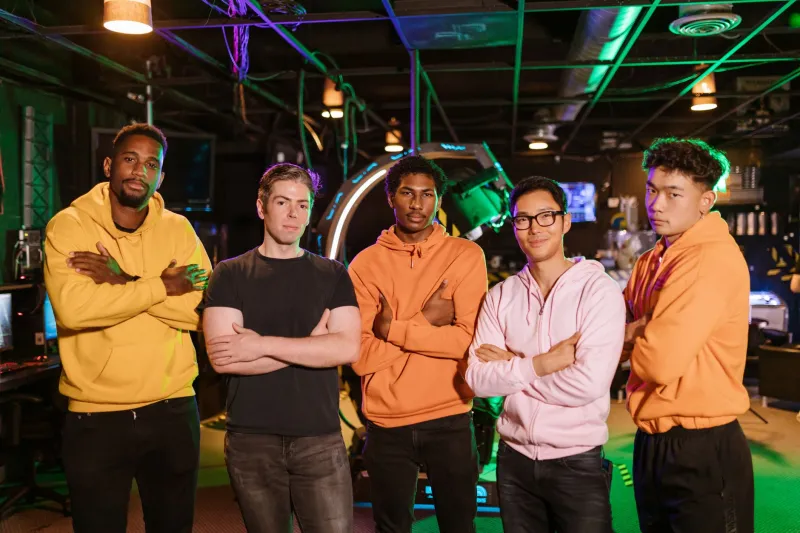
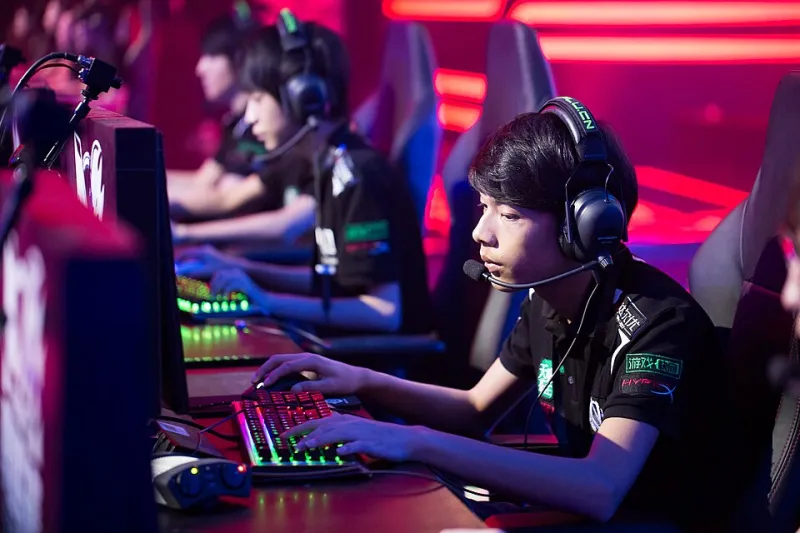
Open qualifiers have a reputation problem. They’re the appetizer before the actual esports season, the bracket nobody clips unless a known name gets embarrassed. But spend a weekend inside one of NA’s open cups and you’ll see something else entirely: dozens of unsigned five-stacks treating a random online bracket like it’s Game 7 of the Grand Final. For them, it basically is.
The 9 A.M. Check-In and the $40 Dream
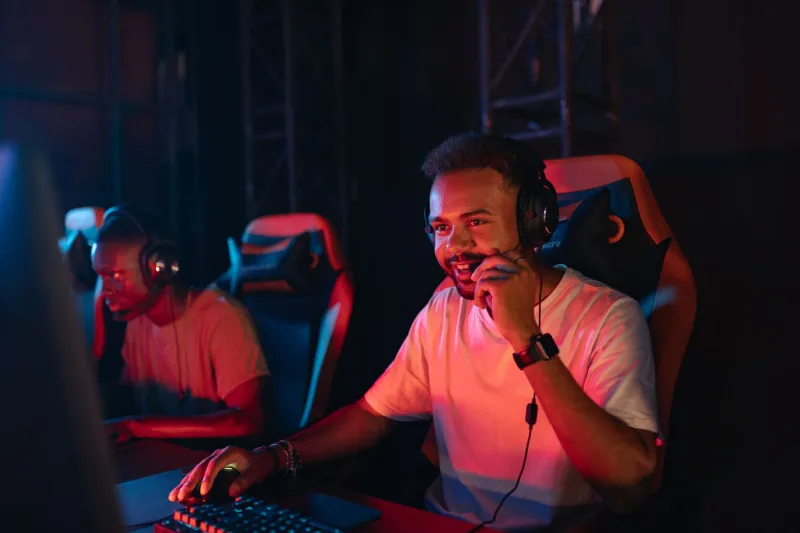
Most open qualifiers don’t start with a hype video. They start with a Discord ping, a Google Form, and somebody asking if the bracket is Eastern or Pacific time. A five-stack rolls out of bed, boots up, and discovers one player’s headset died overnight. Another is stuck at a family brunch in New Jersey. The sub who hasn’t scrimmed with the team in three weeks is suddenly the most important person in the lobby.
This is the unglamorous reality of NA’s open qualifier scene. Entry fees can run from free to roughly $40 per team, depending on the event. That’s not life-changing money, but it’s not nothing when you’re unsigned, unpaid, and splitting costs five ways. Add in the cost of a new mouse, a replacement cable, or the gas money to crash at a teammate’s place for better ping, and the “free” path into esports starts looking like a subscription service.
Still, they sign up. They sign up because the prize isn’t just the cash pool. It’s the slot. A deep run can mean a spot in a closed qualifier, a look from an org, or at least a screenshot worth posting. In a scene where attention is currency, a clean 2-0 sweep in a bracket nobody’s streaming can still travel farther than you’d think.
A Weekend League Nobody Televises
The scheduling is chaos in a hoodie. Matches overlap. Admins are volunteers. A best-of-one can end in 20 minutes or drag into a protest over a pause. Teams wait around for an opponent that never shows, then get a forfeit win that feels less like a victory and more like a wasted afternoon. Meanwhile, the bracket updates on a third-party site while everyone refreshes the page like it’s a stock ticker.
And yet, the quality can be real. Open brackets are where you’ll find the 17-year-old entry fragger with zero followers and a ridiculous reaction time. You’ll find the 24-year-old former academy player who got cut, went back to school, and still grinds qualifiers on weekends because the fire didn’t go out. You’ll find five friends from Ohio who have played together since high school and genuinely believe this is the year.
That mix is why open qualifiers feel like a parallel league. It’s not polished. It’s not packaged. But it’s competitive in the rawest sense. Nobody’s there for content. Nobody’s protecting a brand. They’re there because the bracket is open, and that means the door is technically unlocked.
The Cost Column Nobody Posts
When people talk about the cost of turning pro, they usually mean buy-ins, boot camps, and org salaries. The open qualifier economy is different. It’s death by a thousand small expenses: entry fees, energy drinks, replacement peripherals, and the unpaid hours spent reviewing VODs on a Monday morning before a shift. It’s the roommate who tolerates the 2 a.m. comms. It’s the college student who schedules midterms around bracket resets.
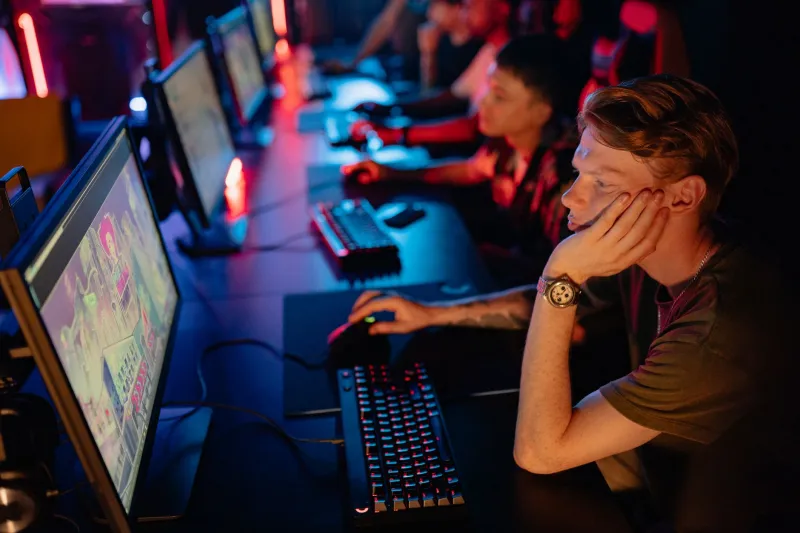
There’s also the emotional cost of the one-and-done. Lose your first match in a double-elim bracket and you’re not just out of the tournament — you’re out of the weekend. No stage. No interview. No highlight reel. Just a quick “ggs” in chat and a Discord call that goes quiet for a few minutes before somebody says, “Run it back next week?”
That resilience is part of the appeal for scouts. An unsigned five-stack that keeps showing up after a brutal loss is showing something a highlight clip can’t capture. It’s not just mechanics. It’s communication under pressure, adaptation between matches, and whether the team tilts when the bracket turns ugly.
Cinderella Runs Are Real — Until Monday
The best open qualifier stories have a familiar shape. A no-name squad catches fire, takes down a favored team, and suddenly the Twitch chat is asking who these guys are. For a few hours, they’re the story. The Discord fills up. Someone makes a graphic. An org account likes the post.
Then Monday arrives. The players go back to class or work. The bracket resets. The next qualifier is in a few days, and the team has to decide whether the run was a fluke or a foundation. That’s the part the highlight packages skip. Cinderella runs are thrilling, but they’re also fragile. A single roster change, a scheduling conflict, or a bad patch can end the momentum before anyone with a checkbook notices.
For orgs, though, that’s exactly the point. Open qualifiers are a low-risk scouting ground. You can watch dozens of players for free, track their stats across multiple events, and see how they behave when the stakes are low but the pressure is real. It’s cheaper than a tryout camp and messier than a combine. For a scene that loves to complain about a lack of NA talent, the open bracket is sitting right there like an unopened present.
The Scouts in the Discord
Make no mistake: people are watching. Coaches, analysts, and org staff lurk in the same Discords as the unsigned teams. They’re not always visible, but they’re taking notes on who communicates, who adapts, and who keeps their cool after a blown lead. A strong open qualifier run won’t automatically earn a contract, but it can earn a DM. In esports, a DM is often the first domino.
That’s the quiet bargain of the open bracket. Players get a stage, however small. Orgs get a talent market, however chaotic. The tournament organizer gets a full bracket and maybe a few hundred viewers. Nobody’s getting rich, but the ecosystem keeps moving. It’s the closest thing NA esports has to a public tryout — loud, disorganized, and weirdly honest.
What the Open Bracket Actually Proves
Open qualifiers don’t guarantee anything. They don’t fix roster instability, they don’t pay rent, and they don’t replace a real developmental pipeline. But they do prove something important: the hunger is still there. Every weekend, unsigned five-stacks log on, pay the fee, and bet a few hours on the idea that one good run could change the trajectory of their season.
That’s not naive. That’s the whole point of competition. The big leagues get the lights and the storylines. The open bracket gets the dreamers, the grinders, and the next wave of talent nobody’s ranked yet. If you’re only watching the main stage, you’re missing the best part of NA’s talent market — the part that’s still unknown.