On Call at 2 A.M.: The Unwritten Deal Keeping NA's Backup Slots Alive
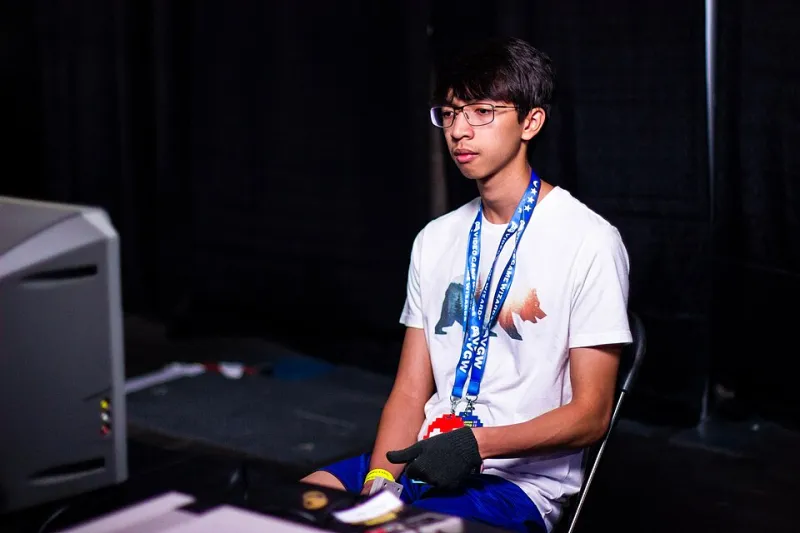
Photo: aGameScout, CC BY-SA 4.0, via Wikimedia Commons
The broadcast shows five players. The camera cuts to the stage, the crowd finds its favorite, and the casters build a story around the starting lineup. Somewhere behind them, maybe in a hoodie, maybe in a hotel room two time zones away, there is a sixth name. That name is the backup. And in North American esports, that name is part of a strange little economy that almost nobody talks about until everything goes wrong.
The Sixth Name Is Not a Bench Spot
In traditional sports, the backup quarterback is a folk hero waiting for a chance. In esports, the substitute slot is weirder. It is not always a development role. It is not always a real competition for playing time. Sometimes it is insurance. Sometimes it is a roster-rule requirement. Sometimes it is a favor, a trade chip, or a very expensive way to keep a veteran close to the building.
The orgs know this. The players know this. The fans mostly do not, because the broadcast only mentions the sub when a starter gets sick, a visa falls through, or a mouse dies at the worst possible moment. Then the sixth name becomes the whole story in about ninety seconds.
What Orgs Are Actually Paying For
The sub-slot economy is not one market. It is a bunch of tiny markets stacked on top of each other. Some NA orgs pay a modest monthly retainer and cover housing. Some pay per scrim block. Some pay nothing until the player is activated, then flip to a short-term deal with travel and per-diem. A few stockpile inactive talent because roster rules, trade windows, or regional eligibility make it useful to hold the contract rather than cut the player loose.
That last part is where the economy gets fragile. A team might carry two subs for flexibility and still only have one real plan. Another might keep a veteran around as a “break glass in case of emergency” option while quietly developing an academy player who is cheaper and hungrier. The org is buying stability. The player is buying proximity. Neither side is exactly wrong, but neither side is exactly safe.
As one NA staffer put it, the sub is “the person you hope never has to be the answer, but you pay because the question is terrifying.” That is the whole business model in one sentence.
Why Players Take the Deal
For the player, the appeal is obvious and complicated at the same time. A sub slot gets you into the building. You scrim. You review. You learn how the team talks when it is losing. You are one emergency away from a stage match, a highlight reel, and a contract conversation that did not exist last week. In a scene where breaking in is brutally hard, proximity has value even when playing time does not.
But the cost is real. Subs can spend months without a competitive map. Their public data is thin. Their market value is basically a rumor. They might travel with the team and never check in. They might watch a starter struggle and know they could help, while also knowing that saying the wrong thing in a scrim review can end the arrangement. The mental load is not glamorous. It is a lot of waiting, a lot of ready, and a lot of pretending the waiting does not bother you.
The 2 A.M. Call
The emergency call-up is the moment the sub-slot economy cashes out. It usually starts with a text. A starter is sick. A flight is delayed. A family emergency has pulled someone off the roster. The sub has to be awake, packed, and useful by morning. If the team is lucky, the sub has been scrimming with the group and knows the calls. If the team is not lucky, the sub is walking into a hotel conference room with a new headset and a playbook they have seen mostly from the outside.
A single emergency map can rewrite a career. A sub who holds serve in a messy group stage match suddenly has tape. A sub who looks lost suddenly has a reputation problem. That is an absurd amount of pressure for a role that the broadcast treats like a fire extinguisher behind glass. But it is also the dream: one call, one map, one chance to stop being the name nobody mentions.
The Quiet Bargain
The org’s side of the bargain is just as uneasy. Carrying a sub costs money, housing, travel, and coaching attention. It also creates ambiguity. If the sub is good enough to push the starter, why is the starter playing? If the sub is not good enough, why is the org paying? The answer is usually risk management, but risk management does not always make for clean team chemistry.
The healthiest versions of these arrangements are boring in the best way: clear role, clear pay, clear communication about what activation looks like, and an honest conversation about whether the player is development or insurance. The unhealthy versions are the ones where a player is told they are “next up” for six months and then finds out they were never in the plan. That is how a backup slot goes from opportunity to resentment.
The Least Glamorous Job in the Room
NA esports loves a starting five. It loves the highlight, the pop-off, the jersey drop. But every serious run has a sixth name somewhere in the background, staying warm, watching VOD, and waiting for a call that everyone hopes never comes. The sub-slot economy is fragile because it runs on hope and contingency. It is also necessary because disaster does not check the schedule.
So the next time the broadcast cuts to a player in a hoodie and the casters say “he’s the sub,” remember the bargain. Somebody is paying for insurance. Somebody is paying for proximity. And somewhere in that quiet deal is a player who is one emergency away from the loudest moment of their career.