Table Stakes: The Kitchen Is NA Esports' Newest Battle Station
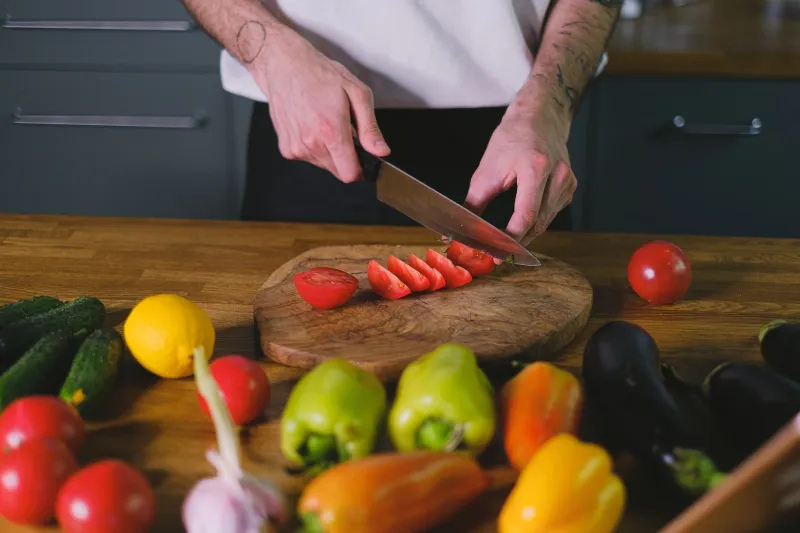
Walk into an NA esports practice house in 2026 and the first thing that hits you is not the ping board, the whiteboard, or the wall of monitors. It is lunch. Maybe it is a tray of grilled chicken and rice set up near the scrim room, or a labeled row of recovery shakes in the fridge, or a staffer unpacking a Costco run that looks more like a collegiate athletic department than a bunch of guys who used to split a pizza at 2 a.m. The kitchen has become a battle station, and NA orgs are treating it like one.
From Dorm Room to Training Table
For years, the esports house food situation was a punchline: energy drinks, delivery apps, and whatever someone could microwave between scrim blocks. That era is fading fast. In 2026, a growing number of NA organizations are bringing in part-time chefs, performance dietitians, and what one league staffer called a 'snack logistics' role — someone whose actual job is making sure the right food is in the right place at the right time. It sounds small. It is not. When five players and a coach are grinding a six-hour scrim block, the difference between a mid-afternoon crash and a steady four hours of focus is often a meal plan.
The setup varies by org. Some teams hire a local chef who comes in three days a week. Others lean on a dietitian retainer and a rotating menu built around player preferences and travel schedules. A few have gone full performance-center mode, with fueling stations stocked by category: quick carbs before a match, protein after the gym, and actual fruit that is not just decorative. The common thread is that food is no longer an afterthought buried in the ops budget. It is a line item with a name attached.
The Clause Nobody Used to Read
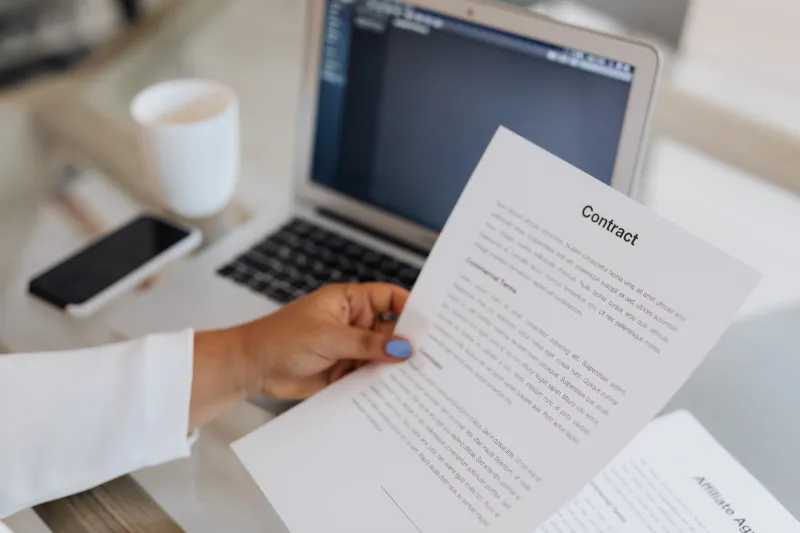
Player contracts are starting to reflect the shift. Agents and player reps say nutrition language that used to be boilerplate — or missing entirely — now gets negotiated. Meal stipends, team-provided meals during boot camps, per diems that cover more than a sad airport sandwich, and travel-day meal plans are showing up in deals. Some orgs include access to a dietitian. Others spell out what happens when a player is on the road and the only food near the venue is fried and sad.
To be clear, this is not about handing out free lunch and calling it culture. It is about removing friction. A player who does not have to solve dinner after a late scrim is a player who shows up sharper the next morning. And in a league where the margins between a top-four finish and a first-round exit are thin, sharp matters.
Travel Day Is the Real Test
The home kitchen is the easy part. The road is where nutrition plans go to die. NA teams fly constantly — LA to Dallas, Chicago to Atlanta, Toronto to wherever the bracket sends them — and airport terminals are a minefield of cinnamon rolls and overpriced pretzels. Orgs that have invested in food are now investing in travel logistics too: packing meals for flights, booking hotels with kitchenettes, hiring local chefs for boot camps, and giving players a clear plan instead of a vague 'eat something before the match' text.
One staffer described the goal as 'removing the decision.' Players should not have to choose between a proper meal and a nap before a match. The org makes the call, the food shows up, and the player focuses on the game. That is the whole pitch.
The Recruiting Pitch Nobody Expected
Here is where the kitchen gets interesting: it is becoming a recruiting tool. Not the headline reason a player signs, but a real differentiator when two offers are close. Parents like it. Players talk about it. And orgs are learning that a stocked fridge and a real meal plan signal something bigger — that the operation is professional, that someone is thinking about the human behind the keyboard.
In a market where every org says it has a 'player-first culture,' food is proof of work. You can talk about wellness all day. A player walking into a house with a chef, a labeled meal plan, and a snack shelf that does not look like a gas station is a different conversation. It is not glamorous. It is not a highlight reel. But it is a pitch that lands.
The Bill Comes Due
The catch, as always, is cost. A chef, a dietitian, and a travel meal plan add up. Orgs have to weigh that against everything else competing for the budget — coaching staff, analysts, boot camps, content. The return is hard to measure in a stat sheet. No one is going to point to a clutch round and say 'that was the salmon.' But the orgs doing this are betting on the long game: fewer sick days, better energy, fewer players living on caffeine and regret.
There is also a line to walk. Nutrition support can tip into food policing if an org is not careful, and players are quick to notice when wellness becomes control. The best programs seem to keep it flexible: guidance, not a lecture; options, not a mandate.
The kitchen will not win a championship on its own. But in 2026, it is part of the machine. And for NA orgs looking for an edge that does not show up in a patch note, the training table might be the quietest upgrade of the year. Anixia Esports will be watching to see which teams turn it into real fuel — and which ones just buy a nicer fridge.