Mic Check, Market Check: NA Esports’ 2026 Caster Shortage Is Getting Real
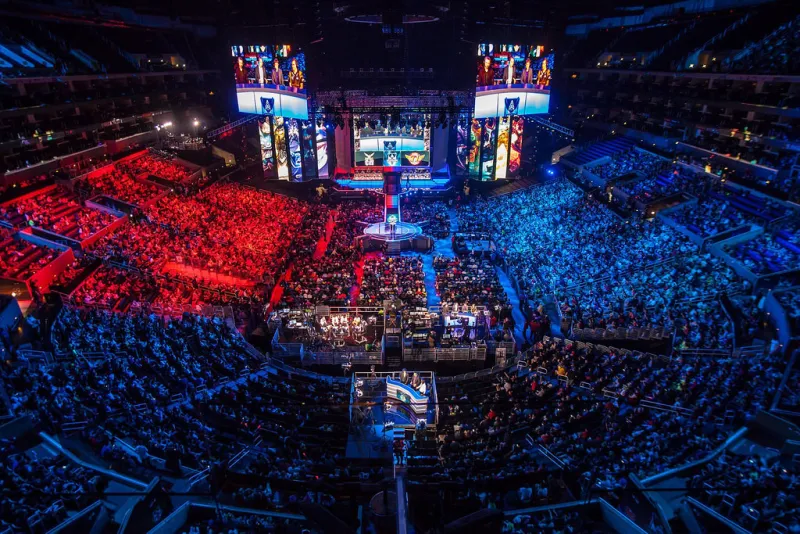
Photo: esports broadcast booth caster microphone arena desk crowd, via weezevent.com
There’s a particular kind of silence in esports broadcast that only hits after the countdown hits zero. The overlay is up. The players are in. The desk tosses to a voice that is supposed to turn a remote-produced map into appointment viewing — and the voice is not there yet. In 2026, that silence is getting expensive.
NA esports has spent the last few seasons getting louder: more events, more co-streams, more clips, more reasons for a fan to keep a tab open. But the 2026 calendar has exposed a less glamorous shortage. The play-by-play bench is thinner than the player bench. Orgs and broadcast partners are hunting for voices the same way they hunt for cracked rookies, and the market for a breakout caster is starting to look less like a hobby ladder and more like a real talent economy.
The Calendar Outgrew the Booth
The first problem is math. More tournaments means more broadcast hours. More broadcast hours means more openers, more remote desks, more B-streams, and more last-minute substitutions when a freelancer’s flight gets canceled or a college kid has a final. Remote production was supposed to solve geography. Instead, it multiplied the number of seats that need a voice.
That’s why the phrase caster shortage keeps popping up in production meetings. It is not that nobody wants the job. It is that the job has changed. A 2026 broadcast voice is part play-by-play, part host, part clip machine, part community manager. The best ones can carry a remote desk with a producer in their ear, a chat moving at terminal velocity, and a match that is functionally over by minute twelve. That skill set is rare. And right now, NA is not great at finding it before it gets expensive.
Three Pipelines, One Microphone
The caster pipeline in NA looks less like a farm system and more like three separate sidewalks that occasionally intersect.
First, college broadcast clubs. They are the closest thing to a true development league. Campus esports programs have produced kids who know OBS, know how to call a fight, and know how to keep a show moving when the game client dies. The upside is volume. The downside is that college broadcast experience does not always translate to a professional desk, and there is no shared scouting language between campus clubs and orgs. A student can be great on a Friday night stream and invisible to the people hiring on Monday.
Second, retired pros doing co-stream auditions. This is the loudest lane. A former player fires up a co-stream, reads the map like a chessboard, and suddenly chat is calling for them on the main broadcast. Credibility is instant. But co-streaming is not the same as casting. A pro can explain a rotation in three words; a broadcast voice has to explain it to someone who just clicked in from a highlight reel. The ones who make the jump are not just knowledgeable. They are translators.
Third, freelance desk talent. These are the hosts and analysts who have been piecing together weekends across multiple titles, often for less than the travel costs. They are the most broadcast-ready group and the most likely to get burned out. They also have the least leverage, because freelance work is invisible until it is not. A breakout weekend can change a career. A canceled event can end one.
What a Breakout Voice Is Actually Worth
Here is where the market gets interesting. Orgs are not just paying for pipes. They are paying for attention. A caster who can hold a remote audience through a stalemate, clip a wild play before the replay ends, and make a sponsor read feel like part of the show is worth more than a salary line. They are a retention tool.
That value is starting to show up in strange places. Broadcast partners want voices who can cross over into co-streams. Teams want casters who can guest on watch parties without turning into a distraction. Sponsors want someone who can say the brand name without sounding like a hostage. The best casters in 2026 are not just describing the game. They are shaping the product.
But compensation has not caught up everywhere. The top of the market is real. The middle is still a grind of weekend rates, delayed invoices, and the quiet hope that a clip goes viral. That gap is the shortage. NA has enough people who can talk about esports. It does not have enough people who can carry a broadcast, and it has not yet built a reliable way to find them before they are needed.
The Audition Is Public Now
The good news is that the audition has never been more visible. A college broadcast club can post a three-minute reel and get noticed by a producer. A retired pro can turn a co-stream into a portfolio. A freelance host can build a reputation one remote desk at a time. The bad news is that visibility is not the same as scouting. Orgs are still making decisions on vibes, clips, and who happened to be available on a Thursday.
That is the next step for NA esports. The caster market needs the same things the player market got: clear pathways, honest rates, and a way to tell the difference between a loud voice and a lasting one. Until then, the booth will keep hiring. And the next great voice might come from a campus studio, a retired pro’s spare bedroom, or a freelance desk that has been one good weekend away from a real shot.
For fans, that is part of the fun. The 2026 season is louder than ever, and some of the loudest moments will come from people who were not on anyone’s radar a year ago. For the industry, it is a warning and an invitation. The mic is open. The market is hot. The only question is who gets to pick it up.