Deadline Day Never Sleeps: Inside NA Esports’ Midseason Trade Window

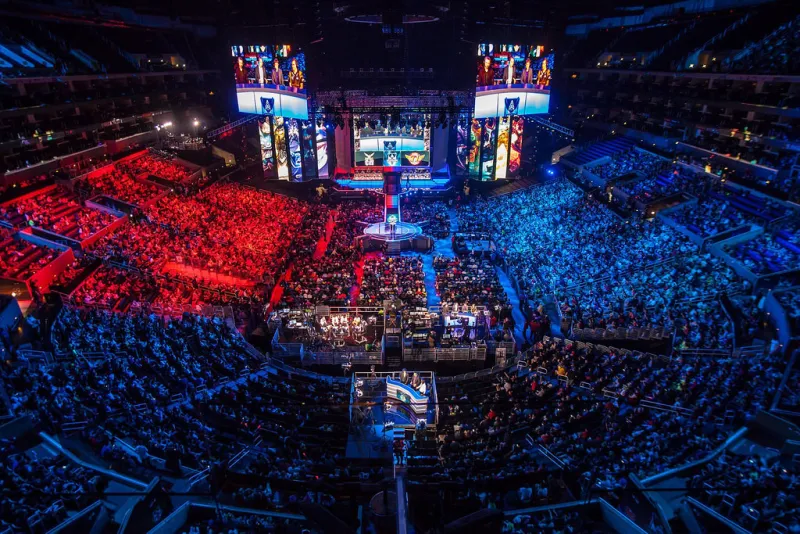
Photo: U.S. Coast Guard USCGRC by Petty Officer 2nd Class Jasmine Mieszala, Public domain, via Wikimedia Commons
The group chat starts buzzing before the official window even opens. A screenshot here, a cryptic emoji there, a practice-room sighting that may or may not mean anything. By the time the first midseason move drops, NA fans have already built three trade machines and a conspiracy board. Welcome to the buyout bazaar.
Midseason movement used to feel like an emergency lever — something an org pulled only after a disastrous split or a sudden roster hole. In 2026, it looks more like a scheduled marketplace. Buyouts, short-term loans, and creative contract exits are now part of how teams compete. The window is not just a cleanup period. It is a second season with its own strategy, its own winners, and its own very loud rumor economy.
The Window Is a Market, Not a Fire Sale
A midseason buyout is simple in theory and messy in practice. A player is under contract with Org A. Org B wants that player now. Org A has to agree to release the deal — usually for a fee — and the player has to agree to the move. Then league rules, roster locks, visa timelines, and salary structures all get a vote. A loan adds another layer: the player moves temporarily, the orgs split salary or negotiate a fee, and everyone pretends the return date is not going to be awkward.
That is why the public version of a trade often looks like a text message and the private version looks like a legal thriller. GMs are not just asking whether a player is good. They are asking whether the buyout fee makes sense, whether the remaining salary fits, whether the agent is pushing a number that only exists in rumor threads, and whether the upgrade actually fixes the problem or just adds another voice to the comms channel.
For fans, it can feel like the NBA trade deadline crossed with a waiver wire. For front offices, it is closer to a real-time auction where the currency is cash, playing time, and leverage. And in NA, where roster depth can swing wildly from org to org, that auction gets loud fast.
Why GMs Are Treating It Like a Second Offseason
The offseason is for building. The midseason window is for repairing. That distinction matters. By the time the window opens, teams have real film, real scrim data, and real problems. Maybe the IGL and the coach are not on the same page. Maybe a young star needs minutes that a veteran-heavy roster cannot offer. Maybe a visa issue or a sudden retirement opens a hole that nobody planned for in January.
That is when a buyout becomes a competitive lever. A contender with one obvious weak spot can pay for a proven fix instead of hoping the academy kid is ready. A middle-of-the-table org can sell a player it cannot re-sign and turn that into cash or a cheaper replacement. A rebuilding team can take on a short-term loan, get some production, and keep its long-term cap sheet clean.
Short-term loans are especially interesting because they lower the commitment on both sides. The borrowing team gets a rental upgrade. The lending team gets salary relief or a development opportunity. The player gets minutes in a system that might actually use them. But loans also create weird incentives. What happens when the loan ends and the player returns to a team that has already moved on? What happens if the borrowing team makes a playoff run and the lending team misses? The vibes can get complicated.
That is the part the rumor threads rarely capture. A midseason move is not just a transaction. It is a chemistry experiment conducted under deadline pressure.
The Three Levers: Cash, Minutes, and Leverage
Most midseason negotiations come down to three levers.
The first is cash. Buyout fees are only one line item. There is remaining salary, agent fees, roster-slot costs, and the opportunity cost of locking in a new player before the next window. GMs who treat the buyout number as the whole price usually lose the room.
The second is minutes. Players want to play. Agents know it. Org leadership knows it. A team that can offer a clear starting role has leverage that a slightly bigger paycheck cannot always match. That is why some midseason moves look like downgrades on paper but make perfect sense for a player who was rotting on a bench.
The third is leverage itself. A contender wants to win now. A seller wants to maximize the return before the contract runs down. An agent wants to create a market. A league wants to keep the process clean. Everyone is reading the same rumor threads and pretending they are not. The orgs that handle this window best are the ones that decide early what they are — buyer, seller, or patient — and do not panic when the first domino falls.
What the Fans See vs. What the Front Office Sees
Fans see the leak. Front offices see the timeline. A player benched for a practice, a cryptic post, a sudden follow from a rival GM — these are the surface ripples. Underneath, there are contract clauses, buyout offsets, league approvals, and travel logistics. A deal can be agreed to by everyone involved and still fall apart because the paperwork does not clear in time.
That is why the most reliable midseason reporting often sounds boring. Pending league approval. Roster lock. Buyout terms. Those phrases do not trend, but they are the actual machinery. The rumor thread is entertainment. The contract language is the game.
There is also a human side that gets lost in the trade-machine posts. Players are not just assets with highlight reels. A midseason move can mean a new city, a new apartment, a new support system, and a new set of teammates in the middle of a competitive year. The best orgs handle that part quietly. The worst ones leak it and let the internet do the rest.
The Risk Nobody Posts About
The biggest midseason risk is not overpaying. It is assuming that talent travels without friction. A player who dominates in one system can look lost in another if the roles, comms, and practice culture do not fit. Buyouts can solve a roster problem and create a chemistry problem in the same week. Loans can patch a hole and leave a team thinking about next season instead of this one.
There is also the tampering question. The midseason window is a busy time for agents, and busy agents talk. The line between backchanneling and backroom dealing is thinner than most fans realize. League rules exist for a reason, and the orgs that treat the window like a free-for-all usually find out the hard way.
The Second Season Is Here
Midseason buyouts are not a sideshow anymore. They are a real competitive lever, a real business decision, and a real content engine for a scene that loves a live rumor mill. The 2026 window will produce a few moves that look obvious in hindsight and a few that look like chaos in the moment. That is the point. NA rosters are not static anymore. They are live markets, and the teams that understand the buyout bazaar are the ones most likely to turn a midseason repair into a championship run.
So keep refreshing the rumor threads. Just remember that the real action is happening in the contract language, the salary split, and the practice room. Deadline day never sleeps — and in NA esports, it is not even close to quiet.