The Jersey Test: Why NA Orgs Are Reading Sell-Through Before They Read Contract Terms
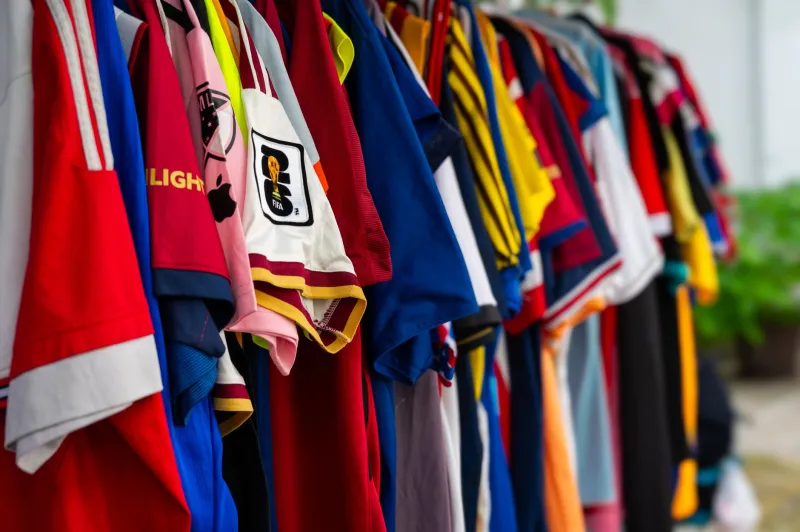
The most revealing scouting report in NA esports this fall might not come from a scrim block, a tryout server, or a coach’s VOD review. It might come from a team store page at 11:58 p.m., two minutes before a limited jersey drop closes.
That is the quiet reality of the 2026 offseason. Multiple NA team ops staff and retail leads describe a shift that has been building for a couple of years but is now baked into roster conversations: limited merch drops are being watched like live auditions for fan connection. Not as the main event. Not as a replacement for mechanics, comms, or stage nerve. But as a real-time signal that sits beside the box score.
Call it the jersey test. The drop goes live, the clock starts, and everyone from the social manager to the GM gets a fresh read on how a player moves a fanbase.
The Drop Is the New Tryout
The logic is simple enough. A player’s follower count can be inflated by a single viral clip. A player’s stream numbers can swing with schedule and game patch. But a limited drop asks fans to do something louder than double-tap: open a wallet, pick a size, and commit before the window shuts.
“You learn in 90 minutes what a focus group can’t tell you in three months,” one NA ops staffer said. “If the player-specific jersey outsells the generic team hoodie in the same drop, that’s not a coincidence. That’s demand.”
In 2026, orgs are stacking drops around roster announcements, playoff pushes, and holiday windows. The calendar is aggressive on purpose. A spring capsule can test a rookie’s early buzz. A summer international window can show whether a veteran’s name travels beyond the hardcore base. The November and December holiday stretch — Black Friday, Cyber Monday, last-minute gift season — becomes a full commercial stress test before contract options get picked up.
This is not just hoodie math. It is roster math with a shopping cart attached.
What Teams Actually Track
Retail leads say the raw sales number is only the beginning. The interesting stuff is in the shape of the demand. How fast did the drop sell through? Which sizes went first? Did the restock waitlist fill up or sit flat? Did bundles move, or did fans only want the player-specific item? Did resale listings pop up with a premium, or did the drop land with a thud and a discount code?
One retail lead described a “restock request” as a stronger signal than a like, a share, or even a comment. A fan asking when a jersey comes back is a fan who tried to buy and missed. That is a different level of intent.
Teams are also cross-referencing merch data with social engagement, stream conversion, and content performance. A player who does not post much but whose jersey sells out in a small run may be undervalued. A player with loud numbers but low conversion may be a paper tiger. The goal is not to crown the best marketer on the roster. It is to find the player whose name actually pulls.
There are caveats, and teams know them. Limited drops are small samples. Scalpers and collectors can distort demand. A team’s fanbase can carry a player’s item, especially in a championship window. A support player may never outsell a flashy carry, even if the support player is the reason the team wins. Ops staff repeatedly framed merch data as a tiebreaker, not a pillar.
Still, a tiebreaker is a real thing in free agency. Ask any agent.
The Free Agency Shadow Stat
In 2026 negotiations, agents are bringing brand decks. Teams are bringing store dashboards. Neither side is pretending the other is irrelevant.
“If two players are close on the server, and one has a proven merch audience, that matters,” one team ops source said. “It’s not the whole decision. But it’s in the room.”
That is the shadow stat era. Marketability is not replacing K/D, but it is showing up in extension talks, roster pitches, and even buyout calculations. Orgs want players who can help win and help sell the win. Players want orgs that can actually market them. A prospect choosing between two academy offers may ask about creative support, drop cadence, and revenue share before asking about the practice schedule.
The 2026 merch calendar has made that conversation concrete. Holiday drops are already live. Championship capsules are planned around playoff runs. Valentine’s and summer capsules are being sketched. For free agents, the question is no longer just “Will I start?” It is “Will my jersey move?”
That can be uncomfortable. It can also be useful. A player who understands their own audience has leverage. A team that understands its fans has a recruiting pitch. The jersey test is messy, imperfect, and very NA — a market where attention is loud and loyalty is earned in public.
The Risk of Reading Too Much Into a Hoodie
The obvious danger is overreading the data. A limited drop is not a scientific poll. A sold-out run of 300 jerseys does not prove a player is a household name. A slow drop does not mean a player is unmarketable, especially if the org never gave the drop a real push.
There is also a fairness question. Players from smaller scenes, international players still building a US audience, and low-visibility roles could get dinged by a metric that rewards existing fame. Teams say they account for that. Fans should hope they actually do.
The smarter orgs are using merch data as one layer in a larger picture, not a shortcut. They are asking whether a player’s audience is growing, whether the drop converted, and whether the player wants to be involved in the creative side. That last part matters. A jersey with a player’s name on it only works if the player helps make it feel like theirs.
What Comes Next
The jersey test is not going away. If anything, 2026 is the year it gets normalized. Expect more player-specific capsules, more restock windows, and more ops staffers who know the difference between a vanity metric and a sell-through curve. Expect agents to ask about merch plans. Expect prospects to treat the team store like part of the pitch.
And expect fans to keep doing what they always do: showing up loud, buying what feels real, and telling orgs exactly who they care about. In NA esports, that is not just commerce. It is a roster signal with a receipt.