The Grind Never Stops — And NA's Rising Stars Are Paying for It
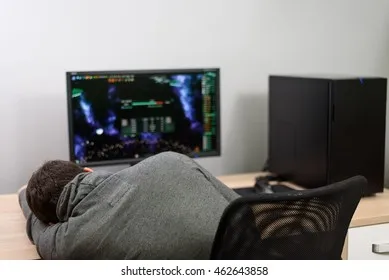
Photo: exhausted gamer resting head on hands in front of computer screen, via image.shutterstock.com
Pull up the competitive calendar for a North American pro right now. Go ahead — actually look at it.
Spring split bleeds into mid-season competition, which bleeds into summer championship pushes, which bleeds into international events, which bleeds into off-season qualifiers that aren't really an off-season at all. Then it resets. Twelve months of peak-stakes competition, layered on top of eight-hour scrim blocks, solo queue obligations, and content shoots.
We keep asking why NA talent retires at 23. Maybe stop asking, and start reading the calendar.
The Retirement Statements Nobody Should Be Surprised By
Every few weeks, another young pro posts the same genre of farewell message. "I've lost the love for the game." "I need to take care of my mental health." "The grind took everything out of me."
These aren't boilerplate. Read them closely and a pattern emerges: players aren't quitting because they got worse. They're quitting because the schedule never lets them be human. Burnout interviews with pros across multiple titles keep landing on the same stressors — no meaningful break, constant performance pressure, and the feeling that one bad split means you're replaced.
In traditional American sports, we'd call this a labor problem. In esports, we call it dedication.
The Regional Comparison That Should Sting
Here's the part that should make NA tournament organizers squirm: it doesn't have to be this way.
Several major European leagues build real breathing room into their seasons — longer gaps between splits, extended off-seasons measured in months rather than weeks. Top Asian regions similarly structure their calendars around marquee international moments, giving players recovery windows to actually reset rather than grind ranked for two weeks between events.
The results show up on stage. Regions whose players get genuine rest tend to peak at internationals instead of arriving fried. Meanwhile, NA teams have developed a reputation for looking unstoppable domestically and gassed out on the world stage. Coincidence? Ask anyone who's watched an NA squad drop winnable series in the final week of a nine-month season.
What Burnout Actually Costs
The human cost is obvious and we should say it plainly: young Americans burning out of the careers of their lives before they can legally rent a car.
But there's a competitive cost too, and it should scare org owners. Every burned-out rookie is a sunk investment — development money, salary, branding, all written off when the player walks. A region that torches its talent pipeline every three years can't build the veteran leadership that wins international titles. You can't develop a ten-year franchise player if the system spits everyone out at year three.
And fans feel it. Rosters turn over so fast that casual viewers never form attachments. Loyalty requires time, and the NA calendar doesn't give anyone time.
A Fix Is Not That Hard
Nobody's asking for a revolution. A few structural changes would transform player longevity overnight:
One real off-season. A mandated six-to-eight week competitive blackout per year. No qualifiers, no showmatches that "count," no required scrim blocks. Let players touch grass — literally.
Fewer, better events. Condense the regional calendar around fewer high-stakes tournaments instead of a constant drip of mid-stakes ones. Scarcity raises stakes, lowers fatigue, and gives every event more narrative weight.
Hard caps on competitive hours. Tournament organizers and leagues should treat practice-hour regulations the way traditional sports treat contact limits in practice. Eight-hour scrim days at 19 years old, year-round, is not a sustainable development model.
A real mid-season break. Two weeks mid-year where nobody plays an official match. Players stream, visit family, recover. The world does not end.
Mental health infrastructure with teeth. Not a wellness webinar — actual embedded support staff, funded by the leagues, independent of the orgs who profit from players pushing through pain.
The Choice
North American esports can keep running the treadmill and replacing the runners, or it can build a season that lets talent actually become great.
The region has money, viewers, and a deep bench of hungry kids. What it doesn't have — yet — is a calendar that respects the humans doing the competing. Fix the schedule, and maybe we stop writing retirement letters for 23-year-olds.
The grind isn't a virtue. It's a design flaw. And design flaws can be fixed.