Seven Figures Before You Sign a Single Player: The Real Receipts on Launching an Esports Org
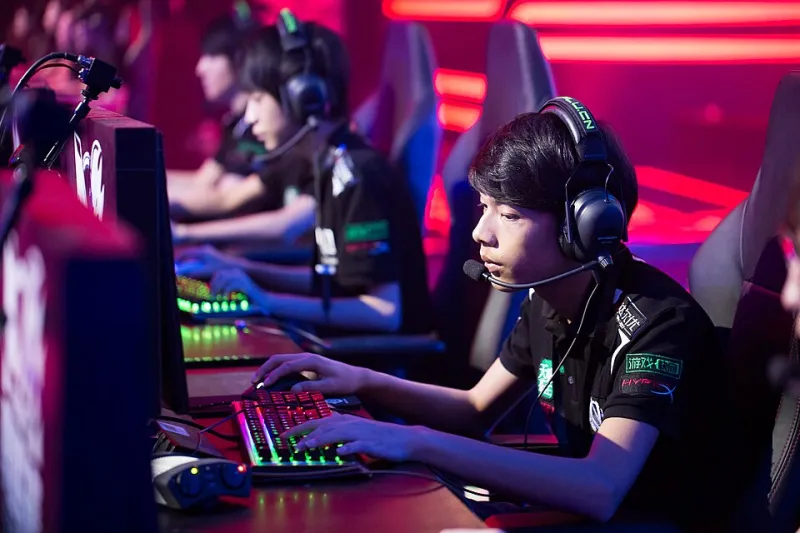
Photo: Bruce Liu, CC BY-SA 3.0, via Wikimedia Commons
The announcement video drops on a Tuesday afternoon. Drone shots of a city skyline. A bass-heavy soundtrack. The logo reveal, the roster reveal, the merch store going live. It looks like a rocket launch.
What the video doesn't show you is the owner sitting at a kitchen table three weeks earlier, staring at a burn-rate spreadsheet and wondering if they just torched their life savings.
We spoke with founders, general managers, and operations staff across the North American scene to break down what launching an org actually costs in 2025. The numbers aren't pretty. But they're honest — and if you've ever dreamed of running your own team, you need to see them.
The Entry Fee Nobody Budgets For
Let's start with the obvious: getting into a league. In tier-one titles, franchised or partnership slots are either unavailable or priced like beachfront property, which pushes most new orgs into open-circuit scenes. That sounds cheap until you do the math on actually being competitive there.
One founder of a mid-tier org, who asked to remain anonymous to protect ongoing sponsor negotiations, walked us through their first-year spend. Player salaries for a competitive open-circuit roster: low six figures. Coach and support staff: another chunk on top. Gaming house rent in a market like Los Angeles or Dallas — because yes, players still need somewhere to live and practice — runs $8,000 to $15,000 a month before utilities, furniture, and the Wi-Fi upgrade nobody skimps on twice.
"People think the logo is the org," they told us. "The logo is like 2% of it. The other 98% is payroll, housing, and travel bookings at 2 a.m."
Content Isn't Optional — It's a Second Payroll
Here's where modern org building diverges from the 2018 playbook. Fans don't just follow teams anymore; they follow personalities. That means every serious launch includes a content operation from day one.
A video producer or two, a social media manager, editing software, cameras, lighting — you're looking at $15,000 to $40,000 a month in content spend if you want to compete for attention with orgs that treat TikTok like a second stage. One GM put it bluntly: "If your content team is one intern with a phone, you're not a brand. You're a jersey with a Twitter account."
The payoff, when it works, is real. Merch drops, sponsor inquiries, and organic fan growth all trace back to content. But the timeline is brutal — most orgs won't see meaningful revenue from brand-building for 12 to 18 months, if ever.
The Two-Year Wall
So why do so many fresh orgs flame out? The pattern is consistent across everyone we spoke with: money in, hype up, then reality.
A typical arc looks like this. Year one is funded by an owner's enthusiasm — often a successful entrepreneur or a wealthy fan who wanted in. Year two is where the sponsorship market's cold math kicks in. Brands want proven reach, and new orgs don't have it yet. Meanwhile, a single underperforming split can tank player value and force expensive roster rebuilds.
"The orgs that die don't die from one big expense," one veteran manager explained. "They die from a thousand medium ones. The flights. The visa issues. The player who underperforms and still has twelve months on his contract."
The survivors share a few traits. They pick one game and go deep instead of spreading thin across five titles. They treat revenue diversification — merch, content, camps, amateur scouting — as a survival mechanism, not a side hustle. And crucially, they set a hard budget for year one that assumes zero league revenue.
Is It Still Worth It?
Here's the thing: nobody we talked to regretted starting their org. Frustrated? Often. Exhausted? Constantly. But the pull of building something with your name on it, in a scene this loud, hasn't faded.
The honest answer to "what does it cost?" is somewhere between $500,000 and $1.5 million for a credible first year, depending on title and ambition. The honest answer to "will you get it back?" is maybe — if you survive long enough for the brand to compound.
The basement-to-buy-in dream is alive in North American esports. It just costs a lot more than the highlight reel suggests.