The Silent Draft: NA's Shadow Rosters Are About to Break the League Wide Open
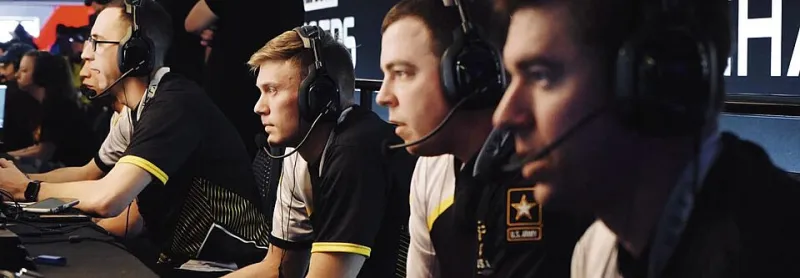
Photo: U.S. Army, Public domain, via Wikimedia Commons
Nobody buys a ticket to watch a scrimmage. Nobody throws confetti for a second-round draft pick. And that's exactly why the savviest front offices in North American esports are spending real money on rosters that play in front of empty streams and box scores nobody reads.
Call it the shadow roster economy. Call it the farm system boom. Whatever you call it, the orgs treating their B-teams like a venture capital portfolio are the ones about to cash out big.
The Quiet Arms Race Nobody Was Supposed to Notice
Here's the pattern: a contender org locks its main roster, posts the hype video, sells the jerseys — and then, almost silently, signs five teenagers to a secondary squad competing in a league with a fraction of the viewership. No press conference. No merch drop. Just a scout's spreadsheet, a coach who believes, and a payroll line item that looks like pocket change next to a franchise slot.
For years, NA orgs treated development like an afterthought. Import the star, fill the gaps, pray for international results. That model is dead, and everyone knows it. Import prices are up, domestic talent is hungry, and the orgs that figured out how to grow their own players are suddenly holding all the leverage.
Why the VC Model Actually Works Here
Think about how a venture fund operates: most bets go nowhere, a few break even, and one out of ten returns the entire portfolio. Academy rosters work the same math.
A secondary squad might cost a fraction of what a single veteran starter commands. If even one player develops into a starter — or becomes a trade chip that another contender desperately needs — the whole investment pays for itself. If two develop? That org just won the offseason without spending a headline dollar.
The best front offices have internalized this. They're not running academy teams out of charity or league obligation. They're running them because a developed 18-year-old on a rookie contract is the most valuable asset in competitive gaming right now.
What Separates a Real Farm System From a Placeholder Squad
Not every B-roster is built the same. The pretenders sign five names to satisfy a league requirement and forget about them by week three. The contenders do something different:
- A dedicated head coach who isn't splitting time with the main roster — someone whose entire job is development
- Structured scrimmage pipelines with the top squad, so academy players are learning against starter-level competition weekly
- Actual competitive stakes, meaning the secondary roster plays in leagues where winning matters, not just exists
- A real promotion path, where players and their agents can see exactly what it takes to get called up
The orgs missing one of these pieces aren't running a farm system. They're running a tax shelter.
The Five Farm System Rosters to Watch Right Now
We ranked the five most promising development squads in NA based on talent density, coaching infrastructure, and promotion track record. Yes, we argued about it. No, we're not sorry.
1. The Portfolio Play — The deepest talent stack on this list. Three players on this roster would start for a bottom-table main squad tomorrow. The coaching setup is the gold standard, and the org has a proven history of promoting from within rather than selling developed talent for parts.
2. The Sniper Factory — Built entirely around identifying raw mechanical talent before anyone else does. The aim-first, learn-the-rest-later philosophy has its critics, but the results keep walking onto main rosters.
3. The Discipline Project — Less flashy, more fundamentally sound. This squad wins with structure, and their players consistently look more pro-ready than their peers when called up. Scouts love them. Highlight channels do not.
4. The Reclamation Squad — This org specializes in taking players written off elsewhere and rebuilding them. It's the moneyball approach: buying low on talent the market mispriced. Two of their last three reclamation projects are starting in the top flight right now.
5. The Long Con — The youngest roster on the board, and honestly the biggest gamble. But if even half of this group develops, this org won't need to buy a single free agent for the next three years.
The Payoff Is Coming Whether You're Watching or Not
Here's the thing about shadow rosters: they don't stay in the shadows. Every player on these lists is one strong split, one scout's phone call, one main-roster stumble away from the spotlight. And when that happens, the org that developed them gets the credit, the trade leverage, or both.
The fans watching secondary league streams right now are getting a preview the rest of the market will pay full price for later. The orgs building these systems already know how this story ends.
The rest of NA is about to find out — loudly.