Roster Lockdown: 48 Hours of Chaos Before an Esports Announcement Drops
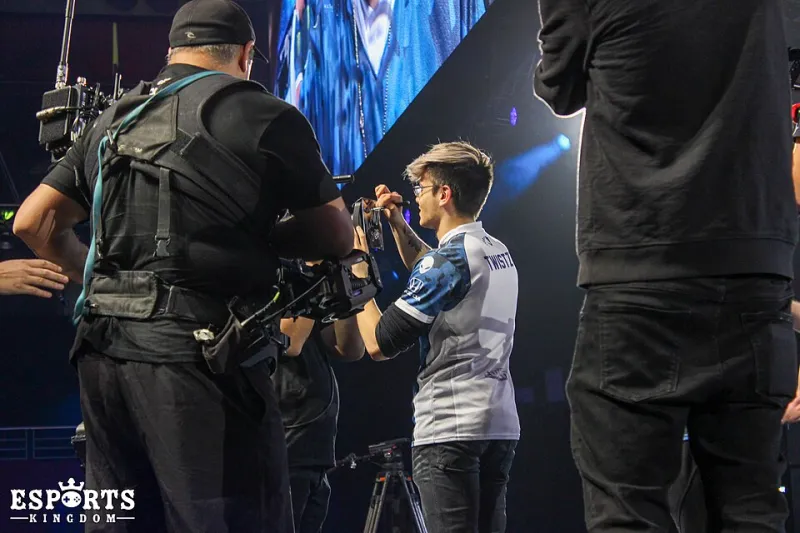
Photo: Esports Kingdom, CC BY 2.0, via Wikimedia Commons
Fans see the announcement graphic: clean typography, player silhouettes, a fire emoji, maybe a teaser video with a heavy bass drop. What they don't see is the seventy-two hours of controlled panic that came before it.
Roster shuffle season — that stretch after a split ends and before the next one begins — is the closest thing esports has to NFL free agency, except with worse information security and way more group chats.
The Final Tryout
By the time an org is 48 hours from announcing, the tryout phase should technically be over. It's not. There's always one last scrim block, one final VOD review, one conversation between the coach and the GM that goes like: "Are we sure? Like, actually sure?"
That last session matters more than it should. Roster decisions in esports are made on incomplete data — scrims don't fully predict stage performance, and stage performance doesn't fully predict how a player handles a losing streak in month three. So orgs hedge. They talk to former teammates. They check references the way you would for a babysitter, except the stakes are a six-figure contract and your brand's entire year.
Buyouts and Fine Print
Meanwhile, the business side is a different kind of chaos. Buyout negotiations in the final window are pure poker. One side knows the clock is ticking; both sides pretend they don't. A buyout that was "impossible" on Monday is suddenly "negotiable" by Wednesday night when both orgs realize a public standoff helps nobody.
Then there's the contract itself. The fine print in a pro esports deal covers more than salary: streaming obligations, content requirements, image rights, buyout clauses, performance bonuses tied to things like championship points or even social metrics. A player's agent and the org's legal counsel might trade redlines at midnight the night before the announcement. Nothing moves until the e-signature lands.
The golden rule in every org's operations channel: nothing is official until the paperwork is done. Not the handshake, not the verbal agreement, not the "it's basically finished" text from the agent. Done means signed.
The Leak Problem
Here's the part that gives comms managers actual gray hairs. In 48 hours, the news has to travel from a handful of insiders to a graphic designer, a video editor, a social team, and sometimes the player themselves — all without hitting Twitter first.
Leaks happen anyway. A player is spotted in the org's Discord. A jersey order shows up in a supplier's public queue. A "trusted" insider tweets a winking emoji and the rumor mill spins up instantly. In the US scene especially, shuffle season sleuths treat every clue like a true-crime board — timestamps on Instagram stories, who followed whom, which scrim partners changed.
Smart orgs stopped fighting the leak and started planning around it. Some deliberately let a "soft confirm" slip 24 hours early to test fan reaction. Others counter-program: if a rival org's announcement is going to eat the news cycle, you either move yours up or make yours weird enough to cut through.
Spinning Chaos Into Hype
And that's the real pivot of the final 48 hours: the chaos isn't a bug, it's the marketing plan. The uncertainty, the cryptic tweets, the fans refreshing at midnight — all of it builds toward the reveal. A roster announcement without drama is just a press release. With drama? It's an event.
Orgs now treat the window like a content campaign: a farewell post for the departing player timed hours before the welcome post for the new one, a teaser graphic with a silhouette that fans will spend all day identifying, a countdown that turns the announcement into appointment viewing.
Why US Fans Can't Look Away
Shuffle season hits differently for American fans because it scratches the same itch as trade deadlines and draft day. It's speculation as entertainment. Every fan has their dream roster, their hot takes, their "source: trust me" theories. For a few weeks, the offseason is more talked about than the actual games.
By the time the announcement finally drops and the graphic goes live, everyone involved is exhausted. The GM hasn't slept. The comms manager has 40 tabs open. The player is nervously re-reading their welcome post for typos.
And then the tweet hits, the fans lose their minds, and somewhere a comms manager finally closes their laptop.
Until next split, anyway.