Front Row to the Warmup: The Strange Economics of Selling Seats to NA Practice Halls
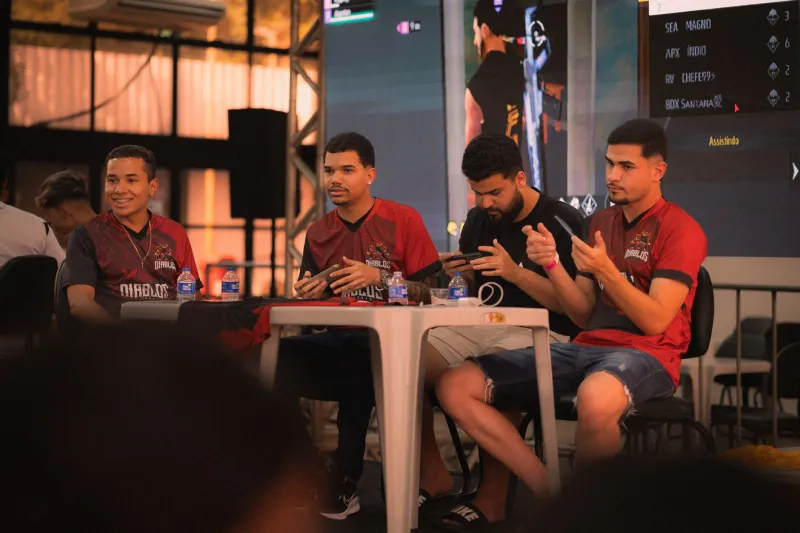
On a Tuesday afternoon in 2026, a line forms outside an NA esports practice facility. Nobody is there for a match. There is no bracket, no standings, no trophy. Fans are paying $40 to $75 for a ninety-minute window into warmups, comms checks, and the kind of low-stakes team chatter that used to happen entirely behind closed doors. Welcome to the practice-hall ticket, the strangest new product in North American competitive gaming.
The pitch is simple: matchday seats are limited, travel is expensive, and fans want more than a stream. Orgs want more sponsor inventory and more reasons for local fans to care. The practice hall sits right in the middle of that demand. But opening a room that exists for focus, repetition, and private frustration is not the same as opening an arena. The warm-up may be the show now, but somebody has to pay for the lights.
What Fans Actually Get
Most practice-hall ticket packages are built around access, not competition. A typical session caps admission somewhere between twenty and forty people. Fans get a guided walk-through of the facility, a seat behind glass or in a designated viewing lane, and a hosted Q&A with ops staff or a coach after the session. Some orgs throw in a merch discount, a signed team card, or a sponsor-branded warmup jersey. A few are experimenting with phone-free zones and delayed-content rules so players can warm up without every miss becoming a clip.
The content windows are the real engine. Sponsors get logo placement on practice jerseys, branded seating areas, and short-form video from the session. Orgs get a low-production, high-access asset that feels more intimate than a stage match. Fans get proximity. For a scene that has spent years arguing about how to make in-person esports feel real in cities without a permanent arena, a practice-hall ticket is a clever workaround. It turns a facility into a destination without pretending it is a stadium.
The Cost Side of Opening the Doors
This is not free money. Opening a practice hall means staffing a front desk, paying for security, cleaning, insurance changes, and someone to manage NDAs and phone policies. Facilities often need temporary seating, rope lines, signage, and a dedicated content shooter. Players lose a slice of privacy, and coaches lose the ability to run a normal session without a audience in the room or a camera in the corner.
Org operators we have spoken with describe the all-in cost of a single practice-hall session as a few thousand dollars before sponsor offsets. That is not catastrophic, but it is not a cash cow either. The ticket revenue alone rarely covers the operational lift. The business case is built on sponsor deliverables, merch conversion, membership sign-ups, and the long game of turning casual fans into people who show up on matchday and buy the jersey. In that sense, the practice-hall ticket is less a ticket than a customer-acquisition channel with a very loud warmup attached.
The Roster Pressure Problem
Here is the uncomfortable part: practice is where teams are allowed to be bad. Warmups are where players test a new sensitivity, argue about a call, or sit in silence because the scrim block went poorly. Add an audience and the room changes. Some players love it. They feed on the energy and treat the session like a mini-show. Others tighten up. Coaches worry about players playing to the stands, second-guessing a risky peek because a fan is watching, or turning a normal argument into a content moment.
The orgs doing this well set hard boundaries. No live comms. No coaching review during the open session. Delayed content only. A clear line between the warmup window and the actual practice block. The practice hall is not a reality show, and the moment it starts feeling like one, the roster pays the tax. A losing streak plus an audience plus a camera is a bad combination. The ticket does not cause the tension, but it can magnify it.
Why Orgs Keep Doing It
Because the upside is real. NA esports has a discovery problem. Fans know the top teams, but the gap between a highlight clip and a live match is wide. A practice-hall ticket shortens that gap. It gives local fans a reason to care before the standings matter. It gives sponsors a story that is not just another logo on a stream overlay. And it gives players a visible reminder that people are paying attention, which can be a recruiting tool when an org is pitching a young prospect on what life looks like after the academy stage.
There is also a quiet proof-of-life benefit. In a year when orgs are still answering questions about sustainability, opening the doors says the facility is real, the staff is real, and the fans exist. That matters to sponsors and to the scene. It is not a replacement for matchday. It is a supplement, a front porch for the house.
The Verdict So Far
The warm-up is not the show yet. It is a test. The orgs treating it as a controlled, sponsor-friendly, fan-first experiment are getting real value. The ones treating it as a quick ticket-revenue hack are going to learn the hard way that practice halls are not built for audiences. If the boundaries hold, the practice-hall ticket could become a permanent piece of NA esports culture. If they slip, it becomes another thing players have to manage while they are supposed to be getting ready to win. The doors are open. The question is whether the room stays focused.