The Bridge Problem: NA Esports' Veteran Exit Is Everyone's Next Recruiting Pitch
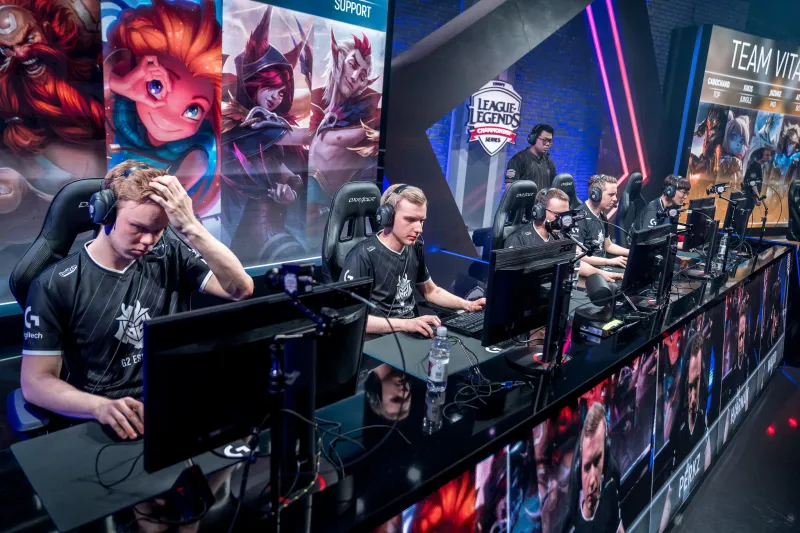
Photo: esports player retirement empty gaming chair headset on desk, via cdn.mos.cms.futurecdn.net
Retirement announcements in NA esports tend to follow the same script. A player posts a photo of a headset on a desk, tags a few teammates, writes “GG,” and maybe adds a line about “the next chapter.” The replies flood in. Pros past and present drop heart emojis. Fans quote the clip that made them fall in love with the player. Then the timeline moves on.
That’s the problem. The scene has gotten great at celebrating the goodbye. It hasn’t gotten great at what comes after.
The Cliff Is Here, and It’s Not Just About Age
The first real wave of NA pros who built their careers in the 2010s are now in their late 20s and early 30s. In 2026, the retirement cliff isn’t hypothetical. It’s a group chat full of players who can still hit their shots but can feel the contract offers getting shorter, the tryout invites getting quieter, and the content calendar getting louder than the scrim block.
Some of that is normal. Every sport has an aging curve. But esports has a uniquely thin landing zone. There’s no players’ union pension in most NA titles. There’s no standard alumni association. There’s no league-wide health plan waiting at the other end of a release. Players often move between contractor status and short-term deals, which means the paperwork can end before the person has figured out what they want to do next.
And unlike traditional sports, the exit isn’t always loud. Sometimes a player doesn’t retire so much as drift. One split without a team becomes two. A streaming schedule fills the gap. A coaching offer comes in late. The scene stops asking where they went.
What Orgs Actually Offer — and What They Don’t
Here’s the uncomfortable truth: support after retirement is still mostly informal in NA. A few orgs have figured out that alumni networks are good business. They keep former players around as content talent, analysts, positional coaches, or academy mentors. They invite them to events. They put them in announcement videos. They make the exit feel like a transition instead of a deletion.
Others don’t. Not because they’re evil — because nobody built the department. Esports orgs are still lean operations. When a player leaves, the staff member who used to check in on them may be the same person who now has to book flights for the next split. The goodbye gets handled. The aftercare doesn’t.
That gap is where the retirement cliff lives. It’s not just money. It’s information. Does a departing player know how to file for unemployment if their contract ends? Do they know what their health coverage actually covers — or when COBRA paperwork shows up? Do they have a contact at the org six months later when they’re deciding between a coaching gig and a full-time streaming push?
Most fans never see this part. They see the farewell post. They don’t see the spreadsheet.
Health Coverage and the Silence After the Contract
In the US, health coverage is tied to employment in ways that make esports’ contractor-heavy model especially messy. A player can go from a salaried roster spot to a 1099 setup to no coverage at all in the space of a few weeks. Some orgs help with the transition. Some don’t. Some players don’t ask because asking feels like admitting the career is over before the announcement is ready.
That silence is expensive. It also has a ripple effect. Younger players watch how veterans exit. They notice which orgs post a tribute and which orgs post a job listing for the same role two weeks later. They notice who gets a send-off and who gets a “we wish them well in retirement” template.
At Anixia Esports, we’re not saying every org needs a farewell parade and a pension fund overnight. But the scene does need a baseline. A clear exit checklist. A health coverage explainer. A named alumni contact. A coaching or content pathway for players who want it. None of that is glamorous. All of it is infrastructure.
The Alumni Gap Is a Recruiting Problem
Here’s the part orgs should hear loudest: how you treat departing players is a recruiting pitch. Free agents talk. They ask around. They find out which orgs pay on time, which ones ghost after a benching, and which ones keep former players in the building after the headset comes off.
A real alumni program doesn’t have to be a charity. It can be a talent pipeline. Retired players become coaches, analysts, scouts, and content leads. They become the people who recommend the org to the next 18-year-old with a fast trigger and a short list of offers. They become the voice in Discord that says, “Yeah, they handled my exit right.”
That matters in a scene where the next generation is already skeptical. Rising NA players have watched the grind up close. They’ve seen the two-week boot camps, the roster churn, and the content schedules that never quite match the practice schedules. They’re not looking for a promise that esports will last forever. They’re looking for evidence that the people running it have thought about what happens when it doesn’t.
What a Real Bridge Looks Like
The fix isn’t one big program. It’s a series of small, boring commitments. Orgs can publish a retirement and transition policy. They can offer a health coverage briefing at contract end. They can build an alumni channel that isn’t just a graveyard of old announcements. They can fund a coaching apprenticeship for one retiring player per year. They can make sure the farewell video doesn’t go live before the exit paperwork is actually handled.
League organizers can help too, but they shouldn’t be the only ones. The orgs that move first will get the reputation. The ones that wait will get the group chat thread.
NA esports has spent years getting better at finding talent. The next step is getting better at losing it. Because the retirement cliff isn’t just about the players walking away. It’s about what the scene looks like to everyone still climbing toward the stage.
The goodbye is easy. The bridge is the business.