Buying Silence: How NA Esports Turned the Tactical Timeout Into a 90-Second Arms Race
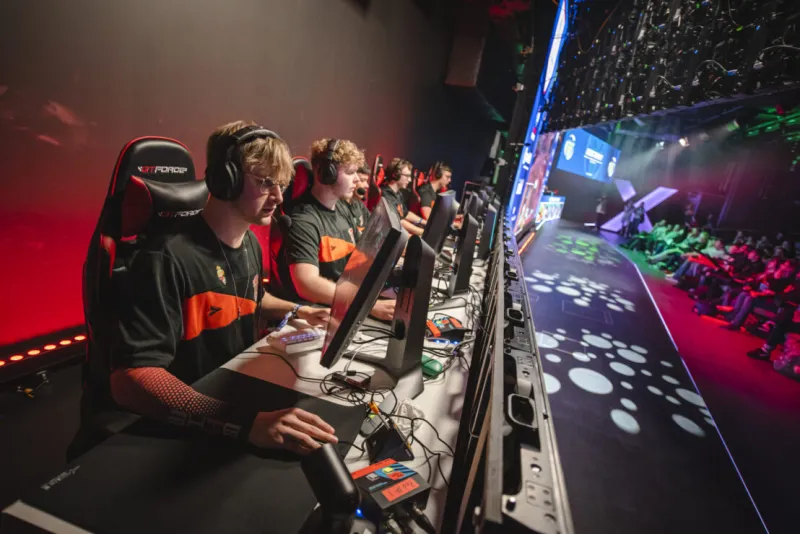
Photo: esports coach timeout huddle arena headset players, via britishesports.org
The arena is loud enough to rattle the cup holders. The casters are mid-sentence. Then the coach taps the shoulder, the referee nods, and everything stops. For 90 seconds, NA esports gets quiet — and in 2026, quiet is where rounds get won.
That is not a poetic way of saying timeouts matter. It is the actual market shift. Across the 2026 season, the tactical timeout has moved from afterthought to asset class. Coaches are scripting them. In-game leaders are hijacking them. Analysts are grading them. And somewhere in the front office, somebody is asking whether the pause button deserves its own line item.
The Pause Button Got a Price Tag
For years, the timeout was the least glamorous part of competitive gaming. It was a bathroom break with a headset, a chance to yell 'reset' and hope the room absorbed it. The NFL has the two-minute warning. College basketball has the after-timeout play. Baseball has the mound visit. Esports had a pause that mostly existed so everybody could breathe.
That is changing. In 2026, NA teams are treating timeouts like possessions. A well-timed pause can flip map control, repair a broken economy, or force an opponent out of a rhythm they spent ten minutes building. A bad one can freeze your own star player, overcoach a simple read, and hand the other side a free momentum swing.
The result is a strange new economy. Orgs are not just asking who calls the timeout. They are asking who designs it, who delivers it, and who measures whether it worked. The 90 seconds between rounds now has a scouting report.
What Actually Happens in 90 Seconds
The best timeouts do not look like motivational speeches. They look like triage.
First comes information compression. The coach has maybe 20 seconds to say what changed — a rotate timing, a utility dump, a player matchup that is bleeding. Then the in-game leader has to translate that into something the room can execute without a whiteboard novel. The last 40 seconds are for emotional calibration: slowing down a tilted caller, waking up a quiet one, making sure nobody spends the next round arguing about the last one.
The teams that convert timeouts into round swings tend to share one trait: they know what the timeout is for before they call it. One NA org's staff describes it as 'pre-loading the pause.' The coach and analyst have a short list of fixes ready at all times. The IGL knows which two calls belong in that window. The players know who talks first. It sounds clinical, but on broadcast it looks like confidence.
The teams that waste timeouts tend to share a different trait: they call them because the room feels bad. That is not a plan. That is a group chat with a referee.
The Timeout Specialist Is Real
Here is the part that would have sounded ridiculous a few seasons ago: some NA orgs are now paying for timeout expertise specifically.
Not every team has a dedicated title for it. Some call it a strategy coach. Some call it a performance analyst. One staffer described the role as 'the person who owns the 90.' But the job is showing up in practice rooms and review sessions: build the timeout menu, track conversion rates, and make sure the head coach is not improvising under pressure.
That is a very NA esports story. We love a new role almost as much as we love a new graphic package. But this one has teeth. If a team can win two extra rounds a series because its timeout script is cleaner, that is not a soft skill. That is a win condition with a salary.
It also changes the power dynamic. The head coach is still the voice. The IGL is still the driver. But the person who prepares the pause can quietly become the most important person in the building for 90 seconds at a time.
Why NA Is Built for This — and Still Learning It
NA esports has always been loud, reactive, and personality-driven. That is part of the charm. It is also why the tactical timeout is such a fascinating fit. The pause is a forced structure in a scene that loves improvisation. It rewards preparation in a culture that often celebrates vibes.
The comparison to traditional sports is obvious, but it is not exact. A basketball timeout can draw up a play. An esports timeout has to account for imperfect information, opponent adaptation, and five players who may all be seeing a different game. That is why the best timeouts feel less like a locker-room speech and more like a pit stop. You do not rebuild the car. You change the tires and send it back out.
Where NA still struggles is discipline. A timeout can become a therapy session. It can become a coach's chance to relive every mistake. It can become an IGL monologue while four players stare at their monitors. The 2026 season has made one thing clear: the pause is only valuable if the team agrees on what it is buying with it.
The Cost of Wasting One
Every timeout is a trade. You are spending a resource that cannot be refunded, and you are giving the other team a free reset too.
That is the risk nobody puts on the broadcast graphic. Call a timeout while you are up, and you might cool off your own momentum. Call one too late, and you are using it to mourn. Call one too early, and you have nothing left when the real crisis hits. The best NA teams in 2026 are ruthless about this. They treat timeouts like a closer in baseball: you do not warm them up for fun.
The flip side is that a well-timed pause can make an opponent feel the walls closing in. The crowd settles. The casters drop their voices. The other team has to sit there and think about what just happened. That is psychological real estate, and it is absolutely for sale.
The Next Fight: Who Owns the Whistle
Here is where the 2026 storyline gets spicy. If timeouts keep gaining competitive value, leagues and tournament organizers will have to decide how much structure they want around them. Do we get timeout statistics on broadcast? Standardized counts? A rule about who can speak? Maybe. Esports loves a dashboard, and the pause is the next metric waiting to be monetized.
The orgs that get ahead of it will not just practice their timeouts. They will scout them. They will review them like film. They will know which opponents panic after a pause and which ones come out sharper. The 90-second window will become another data point in the matchup sheet, right next to pistol rounds and map bans.
Will a timeout ever be worth more than a draft pick? Probably not in a literal trade market. But in a close series, with a young roster and a loud arena, it can absolutely be worth more than a highlight. The pause is not passive anymore. In NA esports, silence is a play call — and the teams that script it best are the ones making noise when it matters.