Sixth Man Summer: The Unluckiest Job in Esports Might Be Its Smartest Career Move
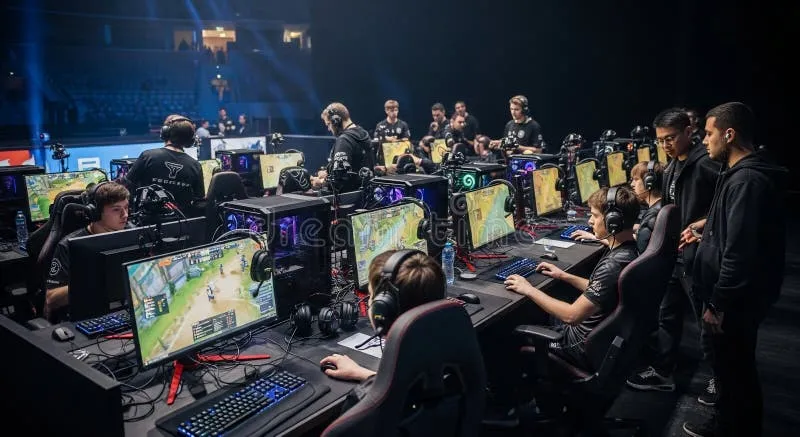
Photo: aGameScout, CC BY-SA 4.0, via Wikimedia Commons
Let's be honest about something the industry likes to whisper: being benched in esports is a weird kind of professional purgatory. You're on payroll. You're in the org's promo photos. You are also, functionally, not playing. And in a scene where careers can be over by 24, sitting out a split feels like watching your own obituary get written in real time.
But here's my hot take, and I'll die on this hill: the sixth man role — done right — might be the savviest career path nobody actually wants.
The Bench Is Bigger Than Ever
Roster churn in US esports has exploded. Franchise slots, VCT-style partnerships, and org consolidation mean teams are locking in more players than ever — and rosters only have five (or fewer) starting spots. Do the math. Every signing creates a benching somewhere.
What's changed is how orgs handle it. The old model was brutal: get benched, get bought out, get ghosted. The new model is starting to look suspiciously like traditional sports — practice squads, emergency subs, players under contract who travel with the team and stay ready. It's still messy. But it's becoming a system, which means it's becoming a career.
The Buyout Game
First, the unsexy truth: buyout clauses run everything. A benched star on a fat contract isn't going anywhere until an org pays the toll, and those tolls have gotten absurd. So players sit. Sometimes for a full year. The team won't play them and won't cheaply release them, because their rights have value even if their minutes don't.
For the player, this is a trap — but it's a trap with options. Some ride the contract and stream. Some force their way into starting conversations through dominant showings in ranked and open qualifiers. The smartest ones treat the bench like a lease with an exit date: get paid, build your brand, stay ready.
Streaming Your Way Back Into Contention
Here's where the US scene genuinely differs from other regions: American audiences love a streamer-comeback arc. A benched player who grinds content, stays entertaining, and keeps their mechanics sharp isn't washed — they're building leverage in public.
We've watched it happen repeatedly. Player gets benched, starts streaming four hours a day, clips go viral, fan sentiment builds, and suddenly some org with a struggling starter does the math: the sixth man has an audience, proven skill, and no buyout drama. That's not a charity signing. That's a business decision.
The bench, in other words, has become a marketing platform. The org gets a content asset. The player gets a spotlight. The fans get a storyline. Everybody eats — except maybe the starter who's now looking over their shoulder.
Why the Sixth Man Role Is Secretly Great
Now for the contrarian part. In traditional sports, the sixth man is a respected, well-paid specialist — think NBA guards who win Sixth Man of the Year awards. Esports is slowly catching up, and the role has real advantages nobody talks about:
- Low-pressure reps. You get stage time in show matches, sub appearances, and lower-stakes events without carrying the weight of a franchise slot.
- Leverage. A good sub who performs when called upon becomes the most tradeable asset in the league.
- Brand independence. Benched players stream, podcast, and build personal followings that outlast any org.
- Options. The sixth man can audition for three teams in a season without burning a starting spot.
Compare that to the starter on a bottom-tier roster: max pressure, max scrutiny, and if the team implodes, guess whose name is on the headline.
The Respect Gap Needs to Close
The culture needs a shift. Right now, "benched" carries a stigma — it reads as failure, as a player the org gave up on. But plenty of benches are strategic: role overlap, salary cap management, development stints. Some of the best players in the scene spent time as subs before breaking out.
So next time you see a sixth man collecting a check, running content, and staying game-ready, don't call it a demotion. Call it what it is: a player playing the long game in an industry that too often plays the short one. The starting five gets the confetti. But the smartest people in the building might be the ones holding the clipboard.