Mic'd Up and Marketed: How Player Spotlights Became Esports' Best Talent Pipeline
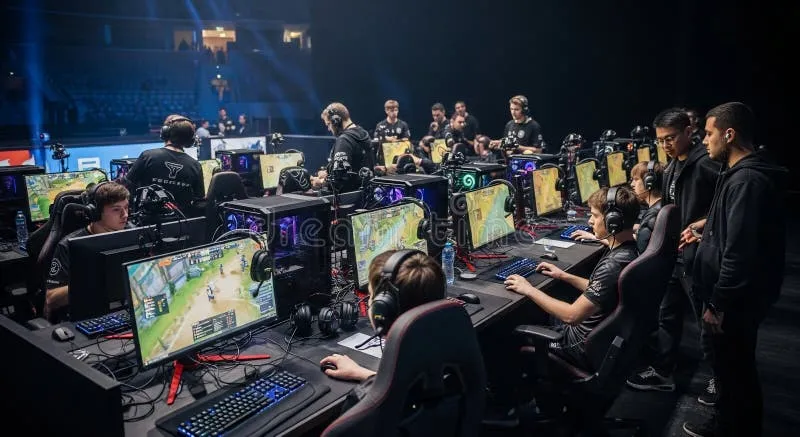
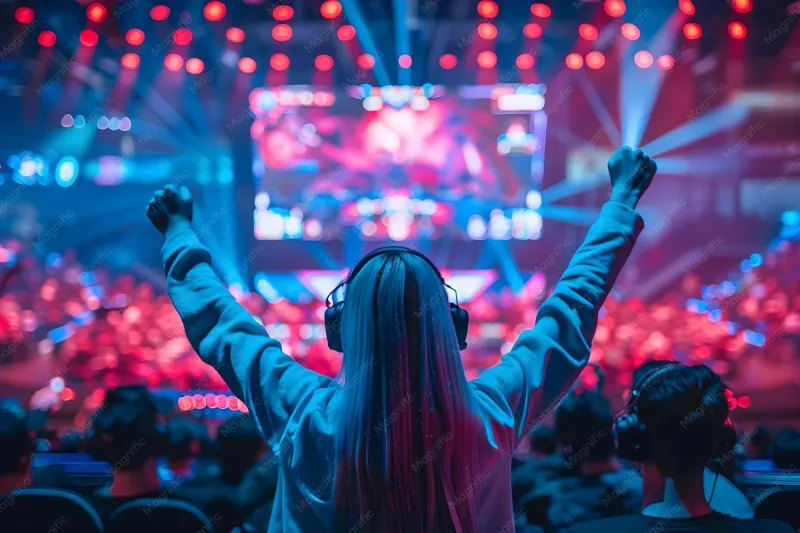
Photo: esports player wearing microphone headset during competition, via thumbs.dreamstime.com
Every esports org has that one player. Insanely talented, quietly consistent, and completely invisible outside of a 12-minute VOD review. The mechanical god who's never trended once in their career.
Then there's the other kind of player — the one whose face ends up on a T-shirt, whose voice line becomes a TikTok sound, whose name casual fans actually know. And here's the uncomfortable truth of modern esports: the second player is almost never better. They're just better packaged.
Player spotlight content has quietly become the most valuable thing a content team produces. Not the trophy lifts. Not the roster announcements. The day-in-the-life video of a support player who eats cereal at 7 a.m. before scrims. That's the stuff that sells jerseys.
The Spotlight Economy Is Real
Sponsorship money follows eyeballs, and eyeballs follow personalities. A player with 200K engaged followers is a walking billboard for an org's partners — worth more to the balance sheet than another mid-tier trophy that gets forgotten by Monday.
The orgs that figured this out early stopped treating content as a post-game recap function and started treating it as talent development. Same way a minor league team develops prospects, top orgs now develop personal brands. The player becomes the product, and the spotlight format becomes the factory.
The Production Playbook, Decoded
Strip away the polish and the viral spotlight formula isn't complicated. It's a repeatable pipeline:
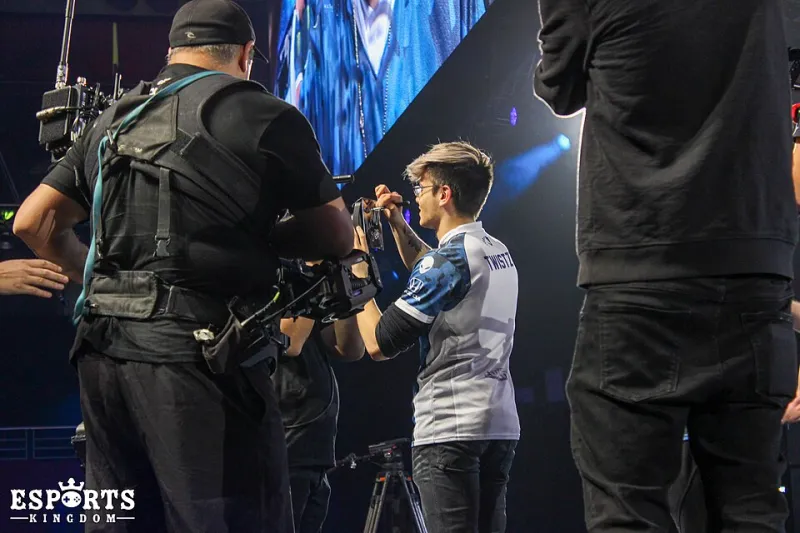
Mic'd-up scrims. The bread and butter. Slap a lav mic on a player during a scrim block, capture the mid-round callouts, the trash talk, the meltdown after a thrown lead. It costs almost nothing to produce and it humanizes players in a way no interview can. Fans don't fall in love with aim — they fall in love with the guy who screams "I TOLD YOU IT WAS B" in a voice crack.
The day-in-the-life arc. Wake up, gaming house tour, gym session nobody expects, food run, VOD review, ranked till 2 a.m. The trick isn't the footage — it's the narrative. The best of these videos give a player a character arc. The underdog grinding while the starter sleeps. The rookie learning from the veteran. Viewers subscribe to a story, not a schedule.
Clip-first thinking. Every spotlight shoot should generate ten short-form moments. The thirty-second TikTok of a player's hot take on the meta will outperform the full ten-minute video every single time. Orgs that shoot long-form content with no clip strategy are leaving reach on the table.
Consistency over virality. The orgs winning this game publish player content on a rhythm — weekly, biweekly — until fans expect it. A one-off viral video builds a moment. A series builds a fanbase.
Who's Doing It Best
A few orgs have turned this into a genuine competitive advantage.
100 Thieves essentially pioneered the lifestyle-documentary approach in NA. Their player content looks closer to a YouTube vlogger's channel than a traditional esports broadcast, and that's the point — it meets fans on platforms they already live on, in formats they already watch.
Cloud9 leans hard into personality-forward short form, letting players be genuinely unfiltered. Their mic'd-up and off-stage clips routinely outperform the org's own match content, which tells you exactly where the audience's attention sits.
Sentinels built an entire fan culture around individual players rather than the org logo. When a single player's name gets chanted louder than the team's, you know the spotlight machine did its job.
FaZe Clan — love them or roll your eyes at them — understood before anyone else that a player's life outside the game is content too. The crossover between creator culture and competitive rosters is their whole blueprint.
The Takeaways for Smaller Orgs
You don't need a Hollywood content department. You need a phone, a lav mic, and a calendar.
- Start with one player, not the whole roster. Pick the most willing personality, not the best player. Build the format on them first.
- Record everything. Scrims, travel days, team dinners. B-roll is the raw material of every future spotlight.
- Give each player a distinct content lane. One does comedy clips, one does gameplay breakdowns, one does lifestyle. Overlap kills differentiation.
- Pay players for brand work. If the org profits off a player's personal brand, the player should see that. Talent that feels used stops being camera-friendly real fast.
- Let players be imperfect. The scripted, PR-scrubbed spotlight dies in the feed. The raw one gets shared.
The Bottom Line
The orgs treating players like media personalities — with consent, compensation, and craft — are building fandoms that survive losses, roster shuffles, and dead metas. Highlight fades by Tuesday. A personality lasts a career.
Turn the cameras on. The next superstar on your roster is already in the gaming house. They're just waiting for someone to hit record.