Inside the Scrim Room: What Really Happens Before an Org Says 'You're Signed'
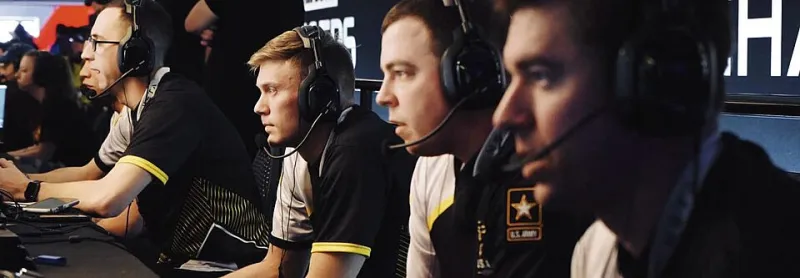
Photo: U.S. Army, Public domain, via Wikimedia Commons
There's a moment every aspiring pro knows: the scrim invite lands in your DMs, and suddenly your hands won't stop shaking. What happens next is one of the least documented processes in competitive gaming — the esports tryout — and it's nothing like the montage in your head.
No Open Calls, Ever
Forget posting your ranked stats and waiting for a callback. Nearly every major NA org scouts through a closed network: VOD reviews of solo queue demons, referrals from trusted coaches, and performance in third-party tournaments. If you're not already on a radar, the tryout email is the last step, not the first.
"By the time a player walks into a tryout scrim block, we've probably watched 40 hours of their gameplay," one LCS academy coach told us. "The tryout is just confirming what we already think."
The Three Things That Actually Get Tested
Strip away the mystique, and every tryout measures the same three pillars:
Mechanics, but with a filter. Raw skill matters, but scouts are looking for how your mechanics hold up under structured play — when you can't just solo carry and have to play within a system.
Comms under pressure. This is where most tryouts die. Coaches aren't listening for hype calls; they're listening for clarity, shot-calling humility, and how you sound when the game goes sideways. One scout put it bluntly: "A quiet player we can coach. A rambler we can't."
The bounce-back. Every org deliberately engineers adversity. A bad draft, an early deficit, a teammate flaming in voice — how a tryout responds in the next five minutes tells coaches more than any highlight play.
Ghosting Is the Default
Here's the part nobody warns you about: most tryouts end in silence. Orgs juggle dozens of candidates per roster spot, and rejection emails often fall through the cracks — or get deprioritized on purpose to keep options open.
Agents we spoke with recommend a two-week follow-up window, then moving on. "The players who make it treat ghosting as a data point, not a verdict," one said. "They're already in the next scrim block."
The Mental Game Is the Real Interview
Multiple coaches described tryout camps — multi-day sessions where prospects live the org routine: VOD reviews, scheduled breaks, media prep. It's less about whether you can hit your flicks and more about whether you can survive a six-day practice week without burning out by split two.
One head coach summed it up: "Talent gets you the tryout. Everything else gets you the contract."
So if you're grinding toward that invite — clean up your comms, study your own VODs like a scout would, and don't build your identity around a single opportunity. The scrim room is loud. The players who make it are the ones who stay calm inside it.